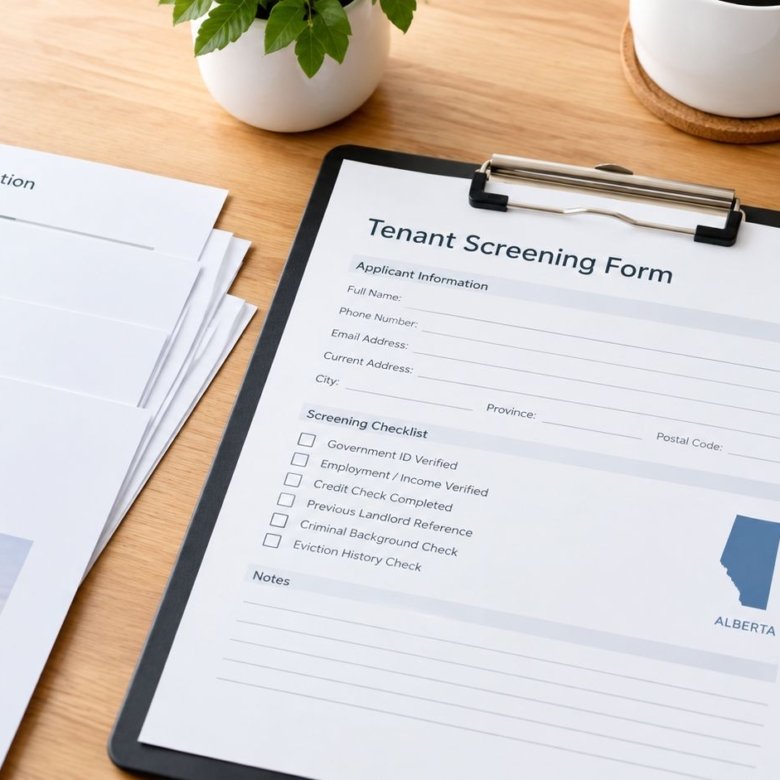
Tenant notice lands in your inbox, and now you've got a unit to turn over, a deposit to reconcile, and a new renter waiting. In Calgary, Edmonton, and Red Deer, the move out inspection checklist is where most avoidable loss starts or stops. If the inspection is sloppy, you'll spend days arguing about damage, cleaning, and normal wear and tear, and Alberta's deposit timelines leave little room for delay.
A solid inspection is not a box-ticking exercise. Under Alberta's residential tenancy rules, the move-in and move-out reports are tied directly to the deposit, and the landlord's right to make deductions depends on doing the inspection properly and providing the required copy to the tenant. That's why experienced property managers treat the checklist as evidence, not paperwork. It protects the owner, speeds up make-ready work, and gives you a defensible record if the former tenant pushes back.
Use the checklist below as a working system, not a theory piece. It's built for landlords who want fewer disputes, cleaner records, and faster turnover across Alberta rentals.
Table of Contents
- 1. Documented Photographic and Video Evidence Collection
- 2. Interior Wall, Ceiling, and Paint Condition Assessment
- 4. Appliance Functionality and Cleanliness Testing
- 4. Appliance Functionality and Cleanliness Testing
- 5. Plumbing and Water Damage Inspection
- 6. HVAC System and Temperature Control Assessment
- 7. Door, Window, and Lock Condition Verification
- 8. Yard, Landscaping, and Exterior Property Assessment
- 9. Garage and Storage Area Inspection
- 10. Basement and Crawlspace Moisture and Structural Assessment
- Top 10 Move-Out Inspection Checklist Comparison
- From Checklist to Action Partnering with a Property Manager
1. Documented Photographic and Video Evidence Collection
The strongest move out inspection checklist starts with evidence, not opinions. If you can't show the condition of a room, the conversation turns into memory games, and that is exactly where deposit disputes get ugly. Alberta landlords who use timestamped photos and video walkthroughs are building the record they need to compare move-in condition against move-out condition, which is the whole point of the inspection process. Alberta's government also ties the return and deduction timeline to the tenancy ending, so the documentation has to be organized while the facts are still fresh (Alberta move-out inspection and deposit guidance).
A practical workflow helps. Calgary landlords often use a smartphone video for the full walkthrough, then add dated still photos of each defect, while Red Deer and Edmonton property managers separate pre-existing wear from new damage room by room. If you're relying on memory and a few blurry shots, you're making your own life harder later.
For the best record, keep it simple and consistent.
- Shoot every room under the same lighting: Natural daylight works best when you can get it.
- Use close-ups and wide shots together: Close-ups show the damage, wide shots show context.
- Put a ruler or coin in damage photos: Scale matters when you're proving the size of a hole, crack, or stain.
- Capture hidden areas: Open cupboards, appliance interiors, closets, and storage spaces.
- Organize files by room and date: A separate folder for each unit saves time when a tenant disputes a charge.
Practical rule: Do the walkthrough within 48 hours of tenant departure. The longer you wait, the more the evidence starts to look like a general property problem instead of a tenant-specific issue.
For teams using tech-heavy workflows, the inspection record should fit into a broader operating system. A good example is how Dreamhouse Realty approaches tech-driven property management, where documentation is treated as part of the turnover process, not an afterthought.
2. Interior Wall, Ceiling, and Paint Condition Assessment
A wall can hide a lot until you stand close enough to see the story it is telling. In a Calgary townhome, adhesive residue from wall decals may be normal enough to patch. In an Edmonton condo, a ceiling stain can point to a plumbing or roof issue that needs attention before the unit goes back on the market. Alberta landlords need to record those differences carefully, because the file has to separate normal wear and tear from chargeable damage under the Residential Tenancies Act.
The move-in report is the reference point. Without it, every judgment call gets harder to defend. Small scuffs, faded paint, and minor marks usually sit in the wear-and-tear category, while large holes, deep gouges, and unapproved paint changes deserve a closer look. On higher-value units, I would rather get a painter's estimate before deciding whether a wall needs patching or a full repaint.
Pay attention to how the room presents under normal light, then look again at close range. A wall that seems acceptable from the doorway can show patchwork, colour mismatch, or finish failure once you are standing beside it. That matters in Calgary, Edmonton, and Red Deer, where owners want the next tenant in quickly and do not want to pay twice for the same repair.
What to record on every wall and ceiling
- Surface condition: Note scuffs, scratches, holes, dents, and patch marks.
- Paint consistency: Look for colour mismatch, roller marks, and touch-up failure.
- Ceiling integrity: Watch for stains, bubbling, cracking, or sagging.
- Adhesive residue: Document leftover tape, decals, or poster strips carefully.
- Water staining: Treat any ceiling mark as a possible leak until proven otherwise.
Take photos that show texture, sheen, and edge detail, not just a flat overview. If there are several marks in one room, photograph the full wall first, then move in for the specific defect so the file still shows context. A partial repaint can leave an older interior looking uneven if the existing finish has already faded, and that is exactly the kind of repair choice an owner wants to make with full information in hand.
Compare the move-out photos against the move-in baseline before you call anything “tenant damage.” The baseline is what makes the charge defensible, not your memory.
4. Appliance Functionality and Cleanliness Testing
A rental can look ready from the hallway and still fail the first walkthrough if the appliances are dirty, broken, or only half working. A greasy oven, a dishwasher packed with residue, or a washer with drum damage slows turnover and creates avoidable disputes over whether the tenant left normal wear or real neglect. For Alberta landlords, that distinction matters because the move out inspection checklist has to support both repair decisions and any deduction you may later defend under the Residential Tenancies Act.
Start with function before you worry about appearance. I do not expect a full cycle on every machine during an inspection, but I do expect proof that the refrigerator cools, the stove ignites, the dishwasher drains, and the washer and dryer respond normally. If you hear a strange noise, see an error code, or spot signs of misuse, capture it on video and note the appliance age so you are not trying to charge a tenant for ordinary end-of-life wear.
A local property manager has to separate tenant damage from predictable decline. In Calgary, Edmonton, and Red Deer, that usually means looking at whether the appliance still does its job, whether the problem is cosmetic or mechanical, and whether replacement is a maintenance call rather than a chargeback.
Appliance details worth logging
- Refrigerator and freezer: Check shelves, seals, residue, and cooling performance.
- Stove and oven: Test burners, ignition, heating, and interior cleanliness.
- Dishwasher: Look for drainage issues, broken racks, and trapped grease.
- Microwave: Confirm the unit works and is clean inside.
- Washer and dryer: Inspect hoses, lint traps, filters, and the drum.
- Error signs: Record unusual sounds, smells, or warning codes.
Sequence matters. Open the fridge first and check temperature and seals before you start photographing shelves. Then move through the stove, dishwasher, microwave, and laundry units in the same order every time so nothing gets missed and the report stays easy to defend later. If there is a cleanliness issue, document whether it is residue that needs normal cleaning or buildup that points to harder use.
A Red Deer investor facing a damaged washer drum needs more than a note that the machine looked rough. The file should show the defect, whether the unit powered on, whether the drum spun normally, and whether the damage appears consistent with misuse or simple wear. That same approach keeps your inspection notes useful if a repair company later asks for context before quoting the work.
4. Appliance Functionality and Cleanliness Testing
Appliances can make a suite look ready for the next tenant, or they can telegraph neglect before you finish the walk-through. A greasy oven, a dishwasher full of residue, or a washer with drum damage slows turnover and creates a second round of work. Industry guidance for property managers puts average turnover costs at $1,000 to $5,000 per unit (turnover guidance), so every avoidable re-clean, repair, or replacement decision matters to the owner's bottom line.
Start with function, then record condition. You do not need to run every appliance through a full cycle, but you do need to verify that the refrigerator cools, the stove ignites, the dishwasher drains, and the washer and dryer respond as expected. If there is an error code, an odd sound, or a clear sign of misuse, capture it on video and note the appliance age so you do not treat ordinary end-of-life wear as tenant damage.
The key is to separate ordinary cleaning from real risk. In Calgary, Edmonton, and Red Deer, that distinction helps landlords decide whether they are looking at a labour item, a repair, or a claim that needs stronger evidence.
Appliance details worth logging
- Refrigerator and freezer: Check shelves, seals, residue, and cooling performance.
- Stove and oven: Test burners, ignition, heating, and interior cleanliness.
- Dishwasher: Look for drainage issues, broken racks, and trapped grease.
- Microwave: Confirm the unit works and is clean inside.
- Washer and dryer: Inspect hoses, lint traps, filters, and the drum.
- Error signs: Record unusual sounds, smells, or warning codes.
A Red Deer investor dealing with a damaged washer drum is not in the same situation as a tenant who left the oven dirty. Keep those issues separate in the file. Cleanliness problems usually point to labour and time, while misuse can support a more serious charge if the photos, notes, and video line up.
Don't skip the inside of the fridge and oven. Tenants often clean the visible surfaces and leave the areas that show how the appliance was used.
5. Plumbing and Water Damage Inspection
Plumbing problems are one of the fastest ways to turn a move out inspection into an expensive repair job. Water damage can hide under sinks, inside vanity cabinets, behind toilets, and around showers long before it shows up as a visible stain. In Alberta rentals, that means the inspection has to be careful, because a missed leak can become a mould problem or a structural issue after the tenant leaves.
Calgary bathrooms often reveal mould around shower caulking when ventilation has been poor and cleaning has been inconsistent. Edmonton basements can show standing water from drain backup or sump pump failure. Those are not cosmetic issues. They need immediate follow-up, and the inspection notes should reflect that urgency instead of treating them as a standard cleanup item.
Flush every toilet. Run every tap. Then watch and listen. Slow drainage, gurgling, hissing, or water pooling under a sink are all signs that deserve a note and a photo. Open cabinet doors and check the bottoms for staining or swelling, because a leak that started small may already be damaging the structure.
Practical rule: If you see water damage or mould, stop guessing and bring in a plumber or remediation professional. Normal wear and tear does not explain active moisture.
High-value plumbing checks
- Toilets: Verify flush strength, tank refill, and base stability.
- Sinks and tubs: Check drainage speed, leak points, and faucet function.
- Under-sink cabinets: Look for water stains, soft boards, and damp smells.
- Caulking and grout: Inspect for gaps, mould, and deterioration.
- Ceilings below bathrooms: Watch for stains that suggest a leak from above.
A move-out inspection is often the only time you'll see the full picture before the next tenant moves in. Document it like you expect the notes to be read in a dispute, because someday they might be.
6. HVAC System and Temperature Control Assessment
In Alberta, HVAC is not a comfort feature, it's part of the property's habitability and protection. A furnace that won't start in winter or a thermostat that doesn't respond can turn turnover into a safety problem, especially in Calgary and Edmonton when temperatures drop fast. This is also one of the easiest areas for tenants to overlook, since they rarely think about filters, ducts, or return air until something fails.
A Calgary landlord might discover that a tenant closed return ducts and stressed the furnace during a cold snap. An Edmonton property manager may find an air filter choked with pet hair and dust. A Red Deer investor could spot a refrigerant issue in an air conditioning unit before summer demand hits. Each of those problems requires different follow-up, but the inspection logic stays the same, test the system and document the result.
Start with the thermostat, then move to the filter, vents, and visible ductwork. Check whether the heating or cooling system responds as expected, and listen for odd startup behaviour or weak airflow. If the filter is visibly dirty, replace it and note it, because that helps separate ordinary maintenance from neglect or misuse.
What to verify on the HVAC pass
- Thermostat response: Confirm the display and system reaction.
- Heating function: In heating season, make sure warm air starts.
- Cooling function: In cooling season, verify compressor activation and cold air.
- Filter condition: Replace clogged filters and record what you found.
- Ventilation fans: Test bathroom fans and range hood airflow.
- Visible ductwork: Look for separation, damage, or disconnection.
If the heating system seems unreliable, treat it as urgent. Alberta winters do not give you much room to wait, and a delayed HVAC fix can hurt both habitability and the next leasing cycle.
7. Door, Window, and Lock Condition Verification
Security issues show up fast at move-out. A damaged lock, a painted-shut window, or a bent door frame is more than a maintenance note, it's a safety concern for the next resident. This is one of those inspection areas where landlords sometimes assume the problem is minor because the door still “mostly works.” That's the wrong standard.
Calgary landlords often catch front door hardware that has been forced or tampered with. Edmonton property managers run into windows that won't open cleanly because someone painted them shut. In Red Deer, sliding door track damage can turn an ordinary patio door into a costly repair. The correct move is to test every entry point and document any failure clearly.
Work through the unit methodically. Lock and open each door from both sides where possible. Open each window fully, then close and secure it. Check whether the deadbolt extends properly, whether hinges are loose or rusted, and whether weather stripping is damaged enough to create drafts.
If something is broken, photograph the hardware in place before anyone removes it. That gives you a better record than a loose part on a workbench later. It also helps if you need a locksmith, carpenter, or glazier to quote the repair.
Security and access checks to complete
- Locks: Test all locks multiple times for smooth operation.
- Windows: Confirm they open, close, and lock properly.
- Frames and hinges: Look for cracks, warping, rust, or binding.
- Weather stripping: Check for air gaps and worn seals.
- Painted-shut windows: Treat as a safety issue, not a cosmetic one.
A window that cannot open is not a small defect. For the next tenant, it can become a fire safety problem.
8. Yard, Landscaping, and Exterior Property Assessment
Exterior condition can make a property look neglected even when the inside is clean. For single-family homes and townhomes in Calgary, Edmonton, and Red Deer, the yard, fence, deck, and walkways can all create turnover costs if they're ignored. If the lease assigns yard care to the tenant, the move-out inspection is where you confirm whether that responsibility was met.
A Calgary single-family home with an overgrown lawn and flower beds needs a different response than an Edmonton townhome with a fence section backed into by a vehicle. In one case, you may be dealing with deferred maintenance. In the other, you've got a clear damage record. Keep those distinctions clear in your notes and photos.
Walk the exterior from several angles. Take wide shots first, then close-ups of damage or debris. Check deck boards for softness or movement, look at fence posts and gates, and note any broken furniture, trash, or abandoned items left behind. In winter, make a note if full lawn assessment isn't possible, because conditions can hide issues.
Exterior checks worth documenting
- Lawn and landscaping: Note height, weeds, and neglected beds.
- Decks and patios: Test for loose or rotten boards.
- Fences and gates: Photograph damage, hinge issues, and broken sections.
- Driveways and walkways: Record cracks, potholes, and salt damage.
- Debris: List any trash, furniture, or abandoned materials left outside.
If your lease places outdoor maintenance on the tenant, don't let the process drift into vague expectations. The inspection record should show exactly what condition the exterior was in when the tenancy ended.
9. Garage and Storage Area Inspection
Garages are easy to overlook and expensive to ignore. They often collect the worst of tenant behaviour, from oil stains and debris to damaged openers and bad storage practices. If the garage is part of the rental, it needs the same level of documentation as the rest of the home.
A Calgary landlord can discover a garage door opener that's been misused or neglected. Edmonton property managers sometimes find hazardous materials or excessive clutter stacked in the garage. Red Deer investors may face a large oil stain that points to improper vehicle maintenance. Each of those situations affects turnover, cleaning, and liability.
Begin with function. Open and close the garage door several times. Check the safety reverse mechanism by using a safe obstruction, then listen for grinding, squeaking, or jerky movement. Test the lights, the outlets, and the pedestrian door if one exists. The goal is to determine whether the garage is operational, not just whether it still opens.
If the space has been used for storage, photograph the condition before anything is removed. That matters for abandoned property issues and for any claim tied to cleanup or repair. For more on handling abandoned tenant property in Calgary, keep Dreamhouse Realty's guidance on abandoned tenant property handy when the garage turns into a storage dispute.
Garage condition points to cover
- Opener and door movement: Test smooth operation and safety reversal.
- Floor condition: Photograph oil stains, spills, and damage.
- Walls and ceiling: Check for holes, moisture marks, and impact damage.
- Electrical: Verify lights and outlets work.
- Storage use: Document hoarding, hazardous items, or abandoned belongings.
A clean, functional garage adds value. A neglected one slows re-leasing and creates unnecessary follow-up work.
10. Basement and Crawlspace Moisture and Structural Assessment
Basements deserve special attention in Alberta because moisture problems often hide there first. A crawlspace or basement can look fine during a quick walkthrough and still have signs of seepage, mould, or structural movement that should not be ignored. If you're managing a lower-level suite or a home with a finished basement, this part of the inspection can protect you from far bigger problems later.
Calgary basements can show mould from poor ventilation or a tenant not running a dehumidifier. Edmonton foundation walls can reveal cracks that need engineering review. Red Deer crawlspaces may show standing water from sump pump failure or poor drainage. These aren't cosmetic observations, they're structural and health-related findings that deserve immediate attention.
Use light, smell, and touch where appropriate. Look for white mineral deposits on concrete, which often point to seepage. Check for wet insulation, stained baseboards, and any materials that feel damp. If you have a moisture meter, use it. That gives you an objective reading instead of a rough guess.
Basement and crawlspace signs to record
- Wall cracks: Photograph them with a reference point or measurement.
- Efflorescence: Note white deposits that suggest water movement through concrete.
- Mould or mildew: Capture both close-ups and wider context shots.
- Standing water: Record the location and likely source if obvious.
- Sump pump: Check whether it discharges properly.
- Musty odours: Log them even if the problem isn't visible yet.
If the basement smells damp, treat the smell as evidence. It often points to a hidden issue before the surface damage appears.
For a deeper operational view of lower-level risk in Calgary rentals, see Dreamhouse Realty's guide to hidden vacancy traps in Calgary basement suites. Moisture problems don't just affect the room they're in, they affect marketability, rent readiness, and owner confidence.
Top 10 Move-Out Inspection Checklist Comparison
| Service | Core Features (✨) | Primary Value (💰 🏆) | Compliance & Risk (★) | Target Audience (👥) |
|---|---|---|---|---|
| Documented Photographic and Video Evidence Collection | ✨ Time‑stamped photos, video walkthroughs, metadata preservation, move‑in comparison | 💰 Low–Med · 🏆 Best for deposit defence & clear evidence | ★ High, aligns with RTA 30‑day itemized accounting; strong legal backing | 👥 Landlords, portfolio managers, remote owners |
| Interior Wall, Ceiling, and Paint Condition Assessment | ✨ Room‑by‑room paint and hole mapping, stain/classification, ceiling checks | 💰 Med · 🏆 Clarifies repaint vs. damage decisions, guides turnover budgets | ★ Medium, distinguishes normal wear vs. tenant damage per RTA | 👥 Landlords, turnover teams, high‑value units |
| Flooring Condition and Damage Documentation | ✨ Carpet, hardwood, tile, vinyl checks; stains, warping, grout issues | 💰 Med–High · 🏆 Protects large asset costs; informs clean vs. replace | ★ High, critical for itemized replacement claims; needs evidence | 👥 Investors, single‑family landlords, property managers |
| Appliance Functionality and Cleanliness Testing | ✨ Basic operation tests, interior cleanliness photos, error code/video docs | 💰 Med · 🏆 Reduces early maintenance calls; documents tenant neglect | ★ Medium, supports deductions for misuse; safety liability reduction | 👥 Rental managers, tenants-in‑place turnover crews |
| Plumbing and Water Damage Inspection | ✨ Fixture tests, drain checks, under‑sink and ceiling water damage, mold checks | 💰 High · 🏆 Prevents costly mold & structural claims; health protection | ★ Very High, health & habitability risk; immediate remediation may be required | 👥 All landlords, especially basement suites & older buildings |
| HVAC System and Temperature Control Assessment | ✨ Furnace/AC test, thermostat check, filter & vent inspection | 💰 High · 🏆 Ensures tenant safety/comfort; prevents emergency failures | ★ Very High, heating essential in Alberta; major liability if non‑functional | 👥 All landlords, cold‑climate properties, long‑term units |
| Door, Window, and Lock Condition Verification | ✨ Lock tests, window operation, frames, weather‑stripping, egress checks | 💰 Med · 🏆 Secures property; prevents safety/code violations | ★ High, egress & security issues create compliance hazards | 👥 All landlords, security‑conscious owners, multi‑unit buildings |
| Yard, Landscaping, and Exterior Property Assessment | ✨ Lawn/bed photos, deck/fence safety, debris & curb appeal check | 💰 Med · 🏆 Improves re‑let speed & curb appeal; documents tenant neglect | ★ Medium, seasonal variance; documents tenant vs. natural wear | 👥 Single‑family landlords, townhome owners, curb‑appeal focused investors |
| Garage and Storage Area Inspection | ✨ Garage door/opener tests, floor stains, storage condition, lighting | 💰 Med · 🏆 Captures high‑cost repair needs & liability risks | ★ High, safety reverse mechanism failures are liability issues | 👥 Owners with garages, investors, high‑liability property managers |
| Basement and Crawlspace Moisture and Structural Assessment | ✨ Water intrusion, mold check, sump pump, foundation crack documentation | 💰 High · 🏆 Detects major structural/moisture risks early | ★ Very High, structural & mold hazards carry severe legal/health implications | 👥 Owners of older homes, properties with below‑grade space, risk‑averse investors |
From Checklist to Action Partnering with a Property Manager
A strong move out inspection checklist protects your deposit rights, but the core value comes from execution. The best landlords don't just inspect, they document, compare, follow timelines, and keep the turnover moving without unnecessary back-and-forth. That matters in Alberta because the deposit process is tied to the inspection record, the itemized statement, and the deadline for returning funds. If the paperwork is sloppy, the money side gets harder fast.
Experienced property management earns its keep. A local manager brings consistency to the inspection process, which is especially useful when you own property in Calgary but live elsewhere, or when you're juggling multiple units across Alberta. The right team knows how to separate wear and tear from damage, how to capture usable evidence, and how to turn the inspection into an organized make-ready plan instead of a pile of notes.
For landlords and owners, the trade-off is simple. Doing it yourself can work if you have the time, the systems, and the discipline to document everything the same way every time. Hiring a manager reduces the chance that a missed photo, a late statement, or a vague note turns into a dispute that costs more than the repair itself. In a province where turnaround time affects both cash flow and occupancy, that operational edge matters.
Dreamhouse Realty Ltd. works with landlords across Calgary, Edmonton, Red Deer, and nearby Alberta communities to handle inspections, tenant turnover, maintenance coordination, and compliance record-keeping in a structured way. We keep the process local, practical, and defensible, so owners can protect their investment without chasing details on their own.
If you want a cleaner turnover process, better documentation, and less time spent on deposit disputes, talk to Dreamhouse Realty Ltd. We help Alberta landlords manage move out inspections, reconcile deposits properly, and get units rent-ready with less risk. Visit Dreamhouse Realty Ltd. to see how our Calgary, Edmonton, and Red Deer property management services can support your next turnover.