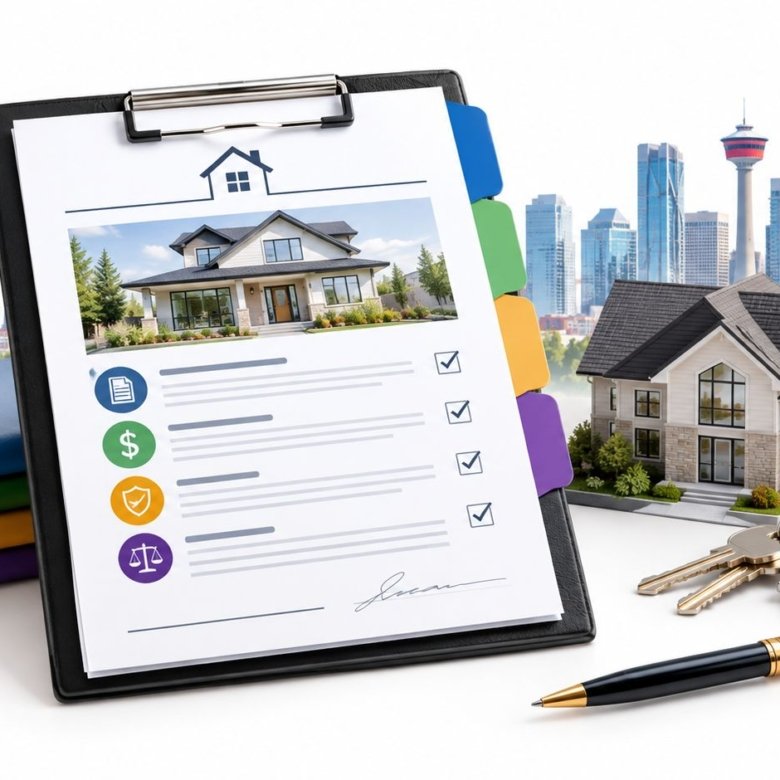
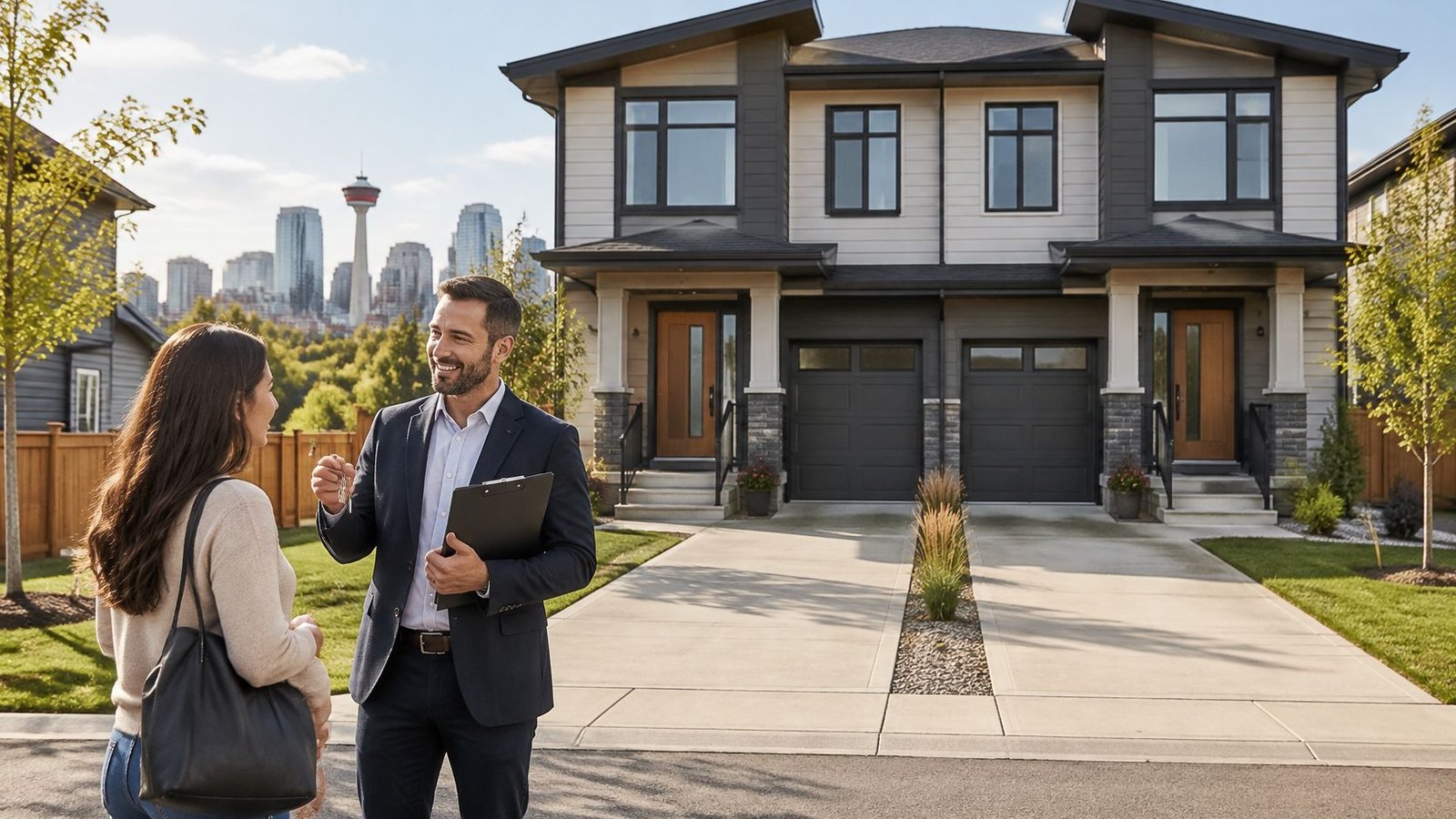
A landlord in Calgary lists both sides of the same building on the same weekend. One side leases quickly to a family that wants the fenced yard. The other side sits, even though the floor plan looks almost identical on paper. That gap is where most first time duplex owners learn the hard lesson. A duplex to rent isn't one rental with two doors. It's two independent rental businesses sharing a roof, a driveway, and sometimes a furnace room, and Alberta law treats each tenancy separately whether the owner does or not.
Table of Contents
- Why Duplexes Deserve a Separate Playbook in Alberta
- Reading the Calgary Duplex Market Before You List
- Setting the Right Rent for Each Side of the Building
- Preparing the Listing That Attracts Qualified Tenants
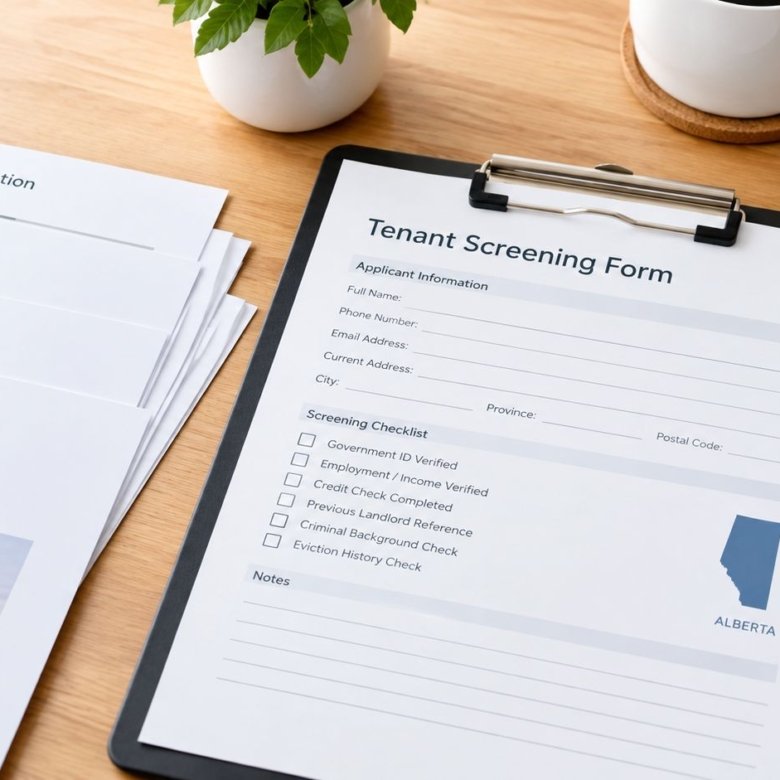
- Screening Tenants for Two Units Without Mixing Files
- Drafting the Alberta Lease and Collecting the Deposit Correctly
- Move-In and Move-Out Inspections That Protect the Deposit
Why Duplexes Deserve a Separate Playbook in Alberta
The vacant side rarely stays vacant for one reason. Parking might favour the left unit. The right unit might have the better light, the quieter bedroom, or the separate entrance that doesn't face a busy street. When a landlord prices, photographs, and screens both sides as if they're interchangeable, renters notice the differences the listing ignored.
That distinction shows up in operations, not just marketing. Each side needs its own lease, its own security deposit record, its own inspection reports, and its own rent increase clock. Shared systems create the friction. A single water heater, a shared driveway in January, or a common exterior wall means a decision for one tenant can become a complaint from the other.
What Counts as a Duplex in Calgary Data
City housing categories don't map neatly onto how landlords talk. The City of Calgary 2025 Supplemental Housing Needs Assessment counted 502,305 total private dwellings, including 21,165 apartments or flats in duplexes, or approximately 4.2% of all private dwellings. The same source recorded 31,660 semi-detached homes, about 6.3% of the total, and 48,860 row houses, roughly 9.7%, in that assessment.
Those labels matter for comps. A semi-detached home often competes with detached houses for families. An apartment or flat in a duplex often competes with townhouses and larger low-rise rentals. A row house may sit in a condo corporation with different rules for parking and exterior work. Pricing one form against another without adjusting for entrance, outdoor space, and tenure produces a rent that looks defensible and still misses.
Practical rule: If a cost, notice, or file can't be assigned to Unit A or Unit B on its own page, the system isn't ready for a duplex.
Maintenance planning follows the same split. Owners who track work by building rather than by unit lose sight of which appliance, furnace filter, or exterior repair belongs to which tenancy, and that gap appears later during deposit disputes and capital planning. A clear view of the main types of maintenance for rental properties helps separate routine unit work from shared building work before costs blur together. The playbook, in short, is unit-level records with building-level oversight.
Reading the Calgary Duplex Market Before You List
Citywide averages give a landlord a starting point, not a price. Calgary's combined category can hide exactly the movement a duplex owner needs to see. The City of Calgary 2025 housing assessment recorded an average monthly rent of $2,641 for the combined townhouse and duplex category, with an 11.0% year-over-year decline for that category. That figure isn't a duplex-only average, because townhouses are grouped in the same line.
Supply signals also point in different directions at once. The City of Calgary Q4 2025 review reported approximately 1,600 duplex units authorized through permits valued at about $300 million, with duplex permits declining 20% from the prior year. That decline sits beside a much larger construction story. A landlord who reads only total starts will assume more competition everywhere. A landlord who reads by housing form may find duplex supply tightening while apartment supply expands.
Where Duplexes Sit in Calgary's Rental Landscape
| Housing Type | Approx. Units in Calgary | Typical Rent Signal | Competitive Pressure |
|---|---|---|---|
| Apartment or flat in a duplex | 21,165 units in the city assessment cited above | Included in the combined townhouse and duplex average | Competes on bedrooms, entrance, parking, and yard |
| Semi-detached home | 31,660 units in the same assessment | Often compared with detached rentals by families | Competes on space and neighbourhood schools |
| Row house | 48,860 units in the same assessment | Often compared with townhouse rentals | Competes on fees, parking, and included services |
| Purpose-built apartment | Expanding through new rental starts | Set by building amenities and concessions | Competes on availability and move-in incentives |
Vacancy needs the same caution. CMHC's 2025 Rental Market Report reported a 5% average vacancy rate for Calgary purpose-built rental properties. A duplex usually sits in the secondary, privately supplied stock, so that rate describes the broader market rather than a specific side-by-side property. Family-sized units with parking and a separate entrance can stay scarce in a neighbourhood even when apartment vacancy improves.
Before listing, a landlord should compare active duplex to rent ads within a tight radius, note days on market, and track what's included in rent. Regional context also helps owners who hold property in more than one Alberta city, and a comparison of rental returns across Calgary, Edmonton, and Red Deer shows why a rent that works in one city doesn't transfer cleanly to another. The decision to price firmly, price to move, or wait for seasonal demand should come from neighbourhood evidence, not a city average.
Setting the Right Rent for Each Side of the Building
Good pricing starts with comps that match the unit renters will tour. Bedroom count alone isn't enough. Landlords should compare separate entrance, parking type, laundry location, outdoor space, suite condition, and whether utilities are separately metered or included. A renovated side with a garage shouldn't carry the same asking rent as the other side because both share an address.
The workflow below keeps each side priced on its own merits while keeping the building total in view.

Building a Defensible Asking Rent
- Find close comps first: Prioritise duplex and semi-detached rentals in the same neighbourhood over distant apartments with a similar bedroom count.
- Adjust in writing: Note each feature that moves rent up or down, such as included utilities, a finished basement area where permitted, air conditioning, or tandem parking.
- Separate asking from occupied rent: An asking rent is an advertisement. Occupied rent is what a signed lease produces after any negotiation or incentive.
- Price the true monthly cost: State clearly who pays for heat, water, electricity, internet, snow removal, and lawn care, because renters compare total cost, not headline rent alone.
Documentation protects the owner when a price needs to change. If showings are strong but applications are weak, the issue may be screening criteria or timing rather than rent. If inquiries are thin from the first weekend, the market is usually giving a pricing or presentation signal. Keeping a dated pricing note for each unit makes that adjustment a business decision instead of a guess.
Some owners use a property manager's market analysis at this stage. Dreamhouse Realty Ltd. offers a free rental consultation and market analysis for pricing, demand, and timelines in target neighbourhoods, which landlords can compare against their own comp sheet before listing. Whether the work is done in-house or through a manager, the standard is the same. Each side should have a rent the owner can explain, comp by comp, without leaning on a combined townhouse and duplex average.
A fallback plan belongs in the file before the ad goes live. That plan might be a rent adjustment date, a utility inclusion change, or a small condition fix if feedback repeats. Deciding in advance prevents a vacant side from drifting while the occupied side creates a false sense of security.
Preparing the Listing That Attracts Qualified Tenants
A duplex listing fails most often through omission. Renters can't see which entrance belongs to the unit, where they would park, or whether the yard is private or shared. Professional photography should show the separate entrance, the approach from the street, the parking stall or garage, and the outdoor area assigned to that side. Interior photos should follow the path a tenant walks during a showing, not jump between disconnected rooms.
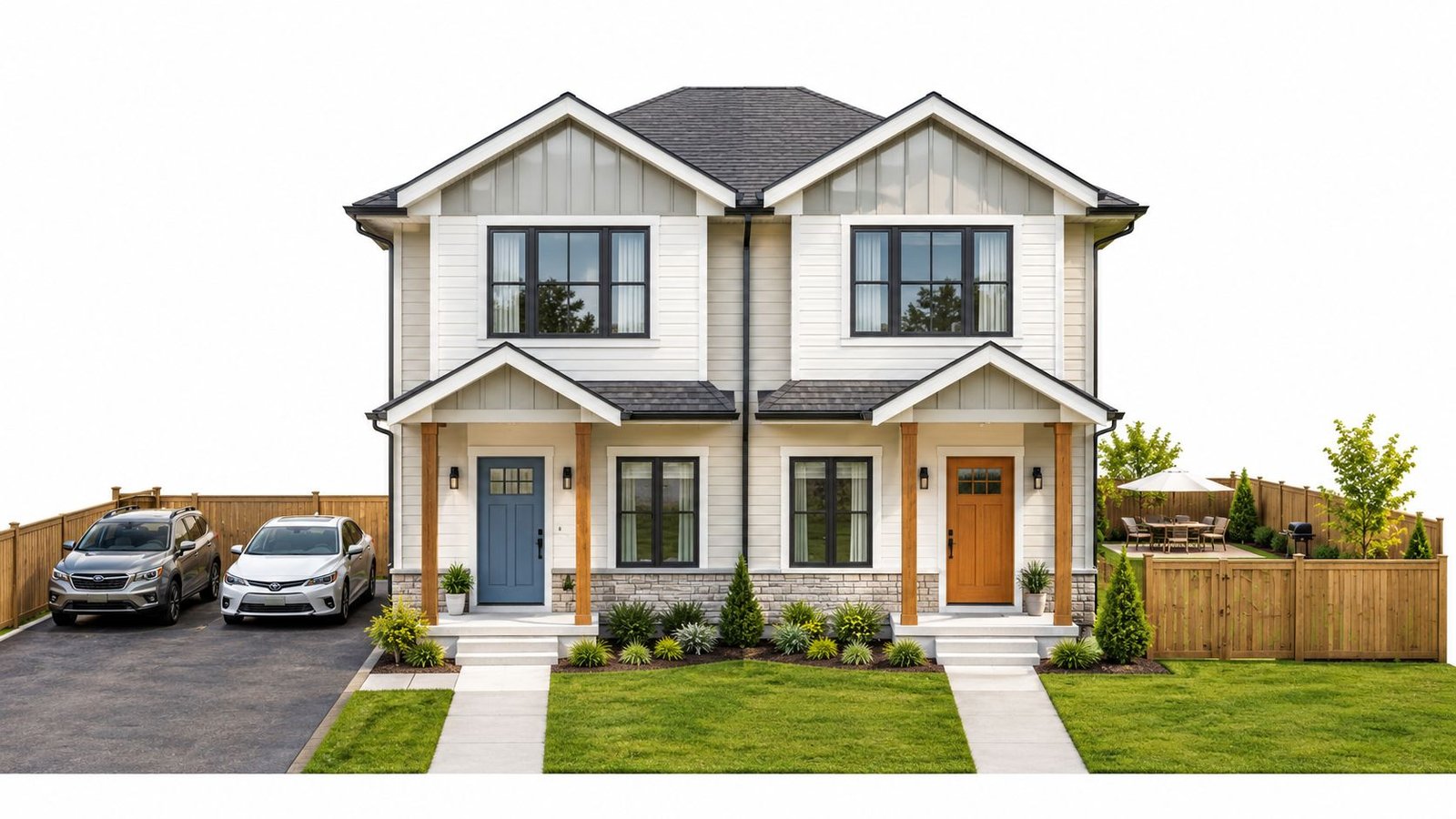
Copy should match the likely renter for that neighbourhood. A family-oriented unit near schools needs clear information on bedrooms, storage, and yard access. A smaller side near transit or a hospital may suit professional sharers who care more about laundry, workspace, and commute. Generic phrases don't answer either group. Specifics do, especially laundry location, utility responsibility, pet terms where permitted, and available date.
Listing Mistakes That Cost Showings
Photographing only one side and reusing the images for the other is the fastest way to create distrust. Hiding a shared driveway has the same effect once renters arrive. Omitting the exact parking arrangement also draws inquiries from households the property can't serve. Each wasted showing costs the landlord time and delays feedback from qualified applicants.
Distribution matters as much as the ad itself. Landlords should syndicate the listing across major rental platforms and consider whether an MLS rental listing approach fits the property and target renter. For owners who also maintain their own website or neighbourhood pages, Outrank's real estate SEO advice offers useful context on making property pages easier for searchers to find without turning the listing into keyword filler.
A strong duplex ad doesn't sell half a building. It sells one complete home, with its own entrance, parking, and terms stated plainly.
Showings need coordination that respects the occupied side. A landlord should cluster appointments, confirm ahead of time, and use a virtual tour to filter casual inquiries before disturbing the neighbouring tenant. Every inquiry should be logged against the correct unit. Mixing Unit A inquiries into a Unit B file creates confusion long before screening begins. When the next section turns to applications, that clean separation becomes a legal and operational necessity.
Screening Tenants for Two Units Without Mixing Files
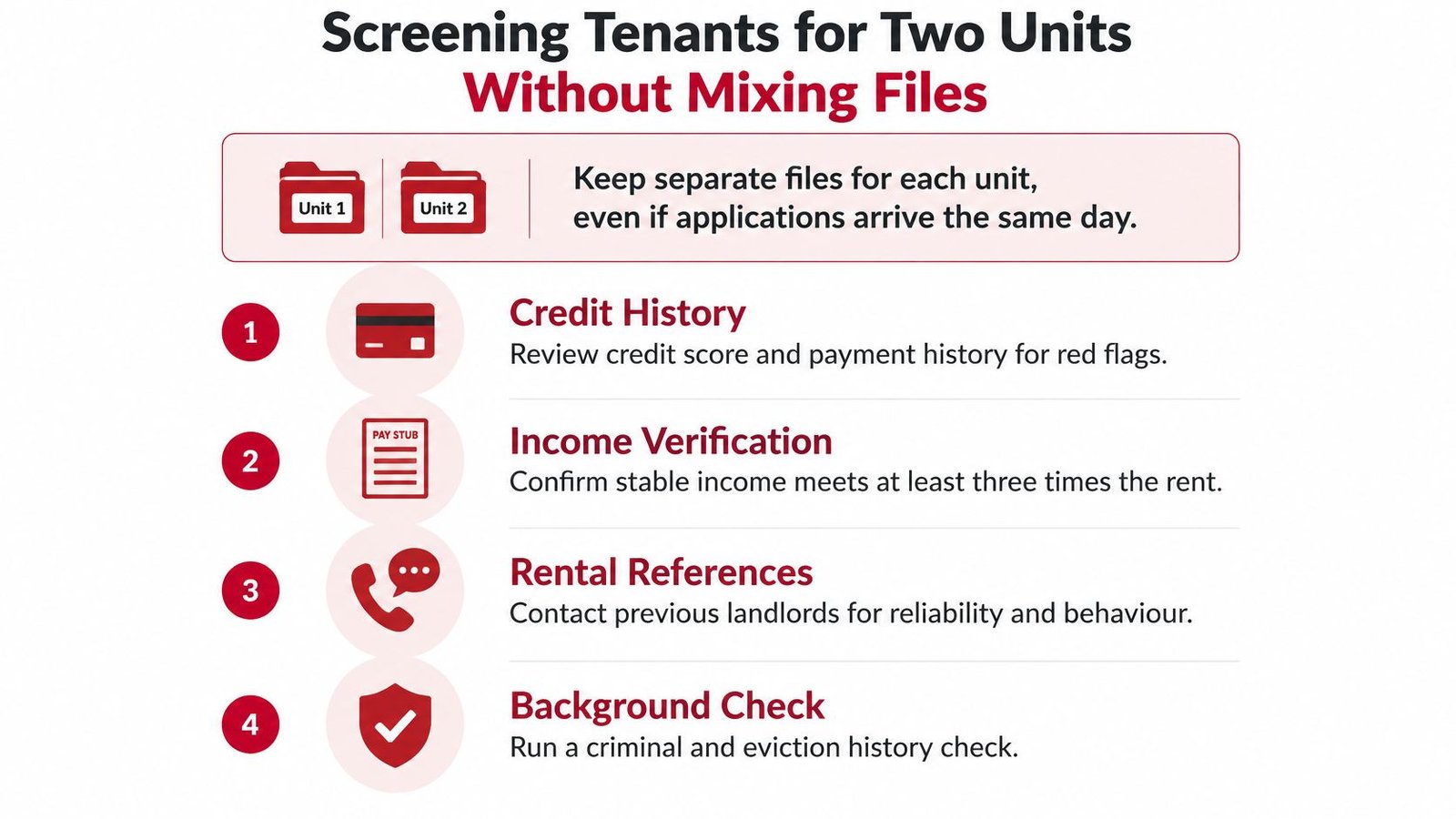
Two applications arriving on the same day don't create one applicant pool. A duplex to rent has two tenancies, two risk profiles, and two sets of neighbours living on opposite sides of a shared wall. Screening each household independently protects occupancy stability and reduces the chance that a strong applicant on one side masks a weak file on the other.
The Four Parts of a Complete File
Credit history shows payment patterns, collections, and whether past obligations were handled consistently. Landlords should look for the story behind the score, including recent improvement or a single older issue, rather than applying a number without context. The file should record what was reviewed and when, using the same standard for both units.
Income verification confirms that income is real, current, and likely to continue. Pay stubs, employment confirmation, and other income documents should match the names on the application. Where applicants share income or propose a guarantor, the landlord needs a written approach applied consistently, not an improvised exception for a persuasive applicant.
References and prior rental history answer different questions. A landlord reference can speak to payment, care of the property, notice given, and whether the household would be rented to again. Personal references carry less weight, but they can still confirm basic consistency. Gaps in rental history aren't automatic disqualifiers. They do require an explanation that can be documented.
- Use one criteria sheet: Apply the same written standards to both sides to reduce discrimination risk under Alberta human rights rules.
- Keep consent with the file: Store each applicant's consent, identification confirmation, and supporting documents under the correct unit number.
- Record the decision basis: Note the objective reason for approval or decline so the file can be reviewed later without relying on memory.
Related applicants need extra care. Relatives applying for opposite sides may be excellent tenants, but each household still signs its own lease and meets the criteria on its own file. Shared vehicles, shared storage, or informal promises between the households shouldn't be folded into one approval. If one side later moves, the remaining tenancy must stand on its own paperwork.
Response speed matters when qualified renters are comparing several homes. Owners who handle inquiries manually often lose track of which household asked about which side. A structured intake process helps, and landlords exploring tools to automate lead routing for agents can adapt the same routing discipline to separate duplex inquiries by unit from the first contact. The goal isn't speed for its own sake. It's a complete, consistent file for each side before keys are promised.
Drafting the Alberta Lease and Collecting the Deposit Correctly
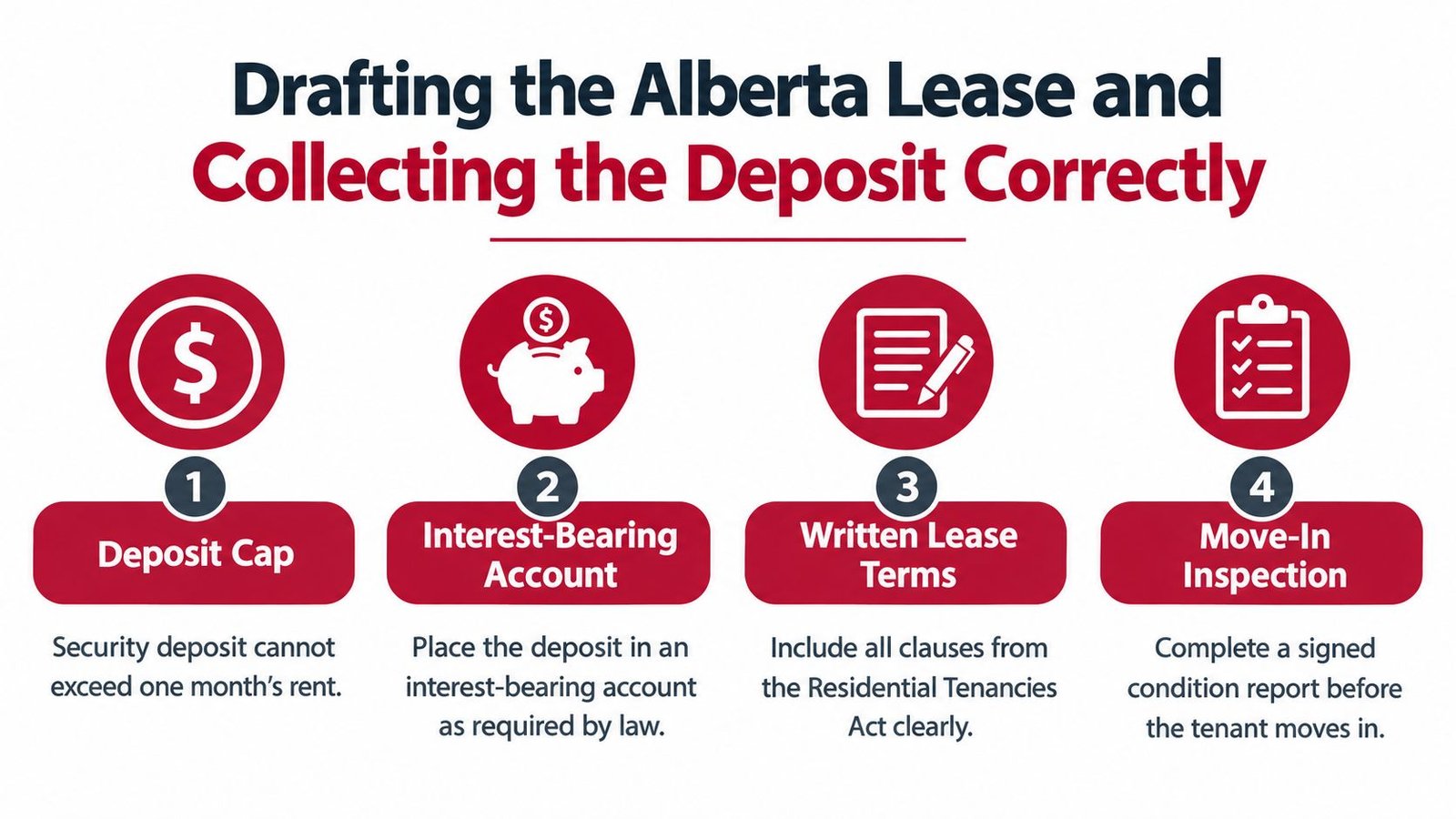
A duplex lease should read as if the other unit doesn't exist, except where shared areas and systems must be addressed directly. The document needs the correct legal names, the exact unit identifier, term, rent amount, due date, permitted occupants, and rules for parking, storage, yard use, and shared utilities. Vague wording on snow removal or driveway access becomes a neighbour dispute with the landlord in the middle.
Deposit Rules That Allow No Improvisation
Alberta sets a clear ceiling and a clear handling rule. Landlords should cap the security deposit at one month's rent and place it in an interest-bearing trust account within two banking days, as set out in Alberta's Residential Tenancies Act quick reference guide. Each unit's deposit requires its own record, even when both deposits arrive in the same week. Pooling the paperwork creates errors at move-out, when interest, deductions, and timelines must be calculated by tenancy.
The lease file for each side should hold the signed lease, deposit trust confirmation, inspection reports, addendums, and any written notices. Addendums are the right place for assigned parking, garage or storage allocation, utility splits where metering is shared, and responsibility for exterior tasks. If a term affects daily living between two households, it belongs in writing before possession.
Rent Increases Run on Separate Clocks
Alberta doesn't impose a percentage cap on a rent increase, but timing is tightly controlled. A landlord cannot increase rent during a fixed-term tenancy, and at least 365 days must pass since the tenancy began or the last increase, whichever is later, under Alberta's during-a-tenancy guidance. The increase must be in writing and include the date, effective date, and landlord's signature.
Notice length depends on the tenancy type. The same guidance sets 12 full tenancy weeks for week-to-week arrangements, three full tenancy months for month-to-month arrangements, and 90 days for other periodic arrangements. Those dates can differ between the two sides of one building. A landlord who tracks increases by property address rather than by unit will eventually serve a notice too early on one side.
Compliance point: Two units, two deposit records, two increase clocks. The building may be one asset, but the legal obligations never merge.
Compliant paperwork is also the landlord's strongest position in a dispute. Clear terms on occupants, shared space, and utilities prevent the most common duplex conflicts from becoming arguments about what was promised verbally. The lease gets the tenancy started correctly. Inspections determine whether the deposit can be protected at the end.
Move-In and Move-Out Inspections That Protect the Deposit
Inspections aren't a walkthrough with a clipboard. In Alberta, they're the deposit-protection workflow for the entire tenancy. A duplex owner needs a separate written, room-by-room report for each unit, supported by dated photographs of walls, flooring, appliances, windows, fixtures, smoke alarms, exterior areas, keys, and meter readings. Shared systems and exterior areas should be photographed as they relate to that unit, not left in a general building folder.
Timing and Signatures
Alberta landlord guidance requires both move-in and move-out inspection reports, with each inspection occurring within one week before or after the tenant takes possession or gives up possession. The inspection should be completed jointly where possible, signed by both parties, and a copy provided to the tenant immediately. Reports should then be retained for the required period after the tenancy ends, filed by unit rather than by building.
If a tenant won't attend, the landlord shouldn't proceed and hope the report holds up. Alberta guidance requires the landlord to offer two inspection times on different non-holiday days between 8 a.m. and 8 p.m. before completing the inspection without the tenant. Those offers should be documented in writing. Dates, times, and delivery method matter if the tenant later disputes the process.
- Photograph before furniture arrives: Empty rooms show flooring, walls, and fixtures clearly and reduce arguments about pre-existing marks.
- Record function, not just appearance: Note that appliances, taps, toilets, windows, and alarms were tested, and photograph meter readings for each unit where meters exist.
- Cover the shared edges: Photograph the driveway, walkways, fence lines, garage areas, and exterior walls assigned to or affecting that side.
The consequence of skipping this work is direct. If the required reports weren't completed properly, a landlord can't deduct cleaning costs or damage claims from the security deposit when the tenant leaves. That single rule makes inspection discipline the most important risk-control task in the lease cycle. It costs time on move-in day. It can cost the entire claim at move-out.
For a duplex to rent, the risk doubles in a practical sense. Two move-ins can happen close together, two tenants can report the same exterior issue, and one side's move-out can occur while the other tenancy continues. Separate reports, separate photo sets, and separate signatures keep those events from collapsing into one unreliable record. Owners who build that habit protect the deposit, the property, and their credibility if a dispute ever reaches a formal hearing.
Landlords who want both sides of a duplex priced, marketed, screened, leased, and inspected as separate tenancies can contact GURIQBAL CHAHAL, MBA, PMP, REAL ESTATE BROKER at Dreamhouse Realty Ltd. for full-service Alberta property management, tenant placement, and Residential Tenancies Act compliance support. Call Phone 403-966-6072 to discuss a Calgary, Edmonton, or Red Deer duplex and get a unit-by-unit plan before the next vacancy.