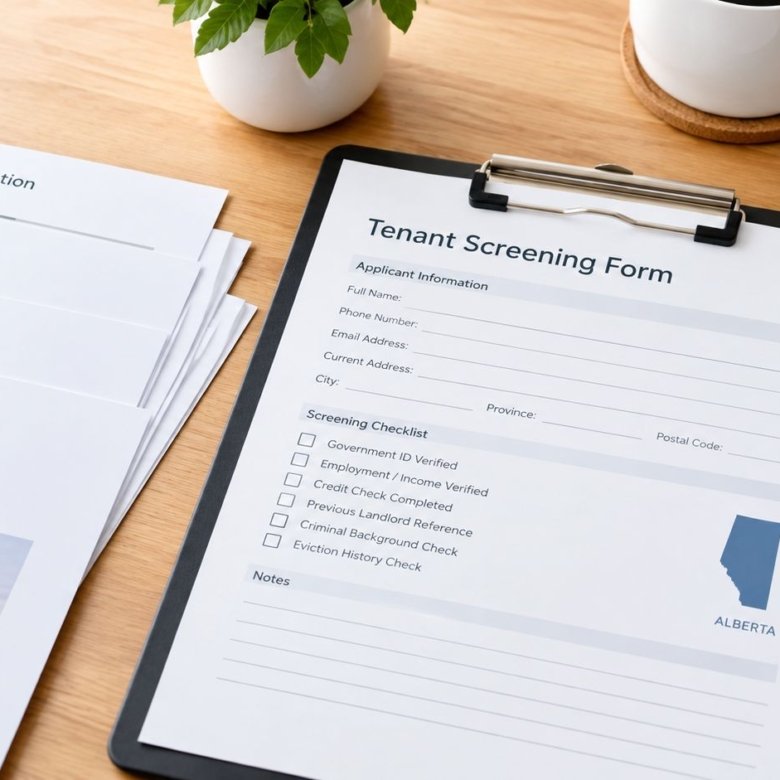
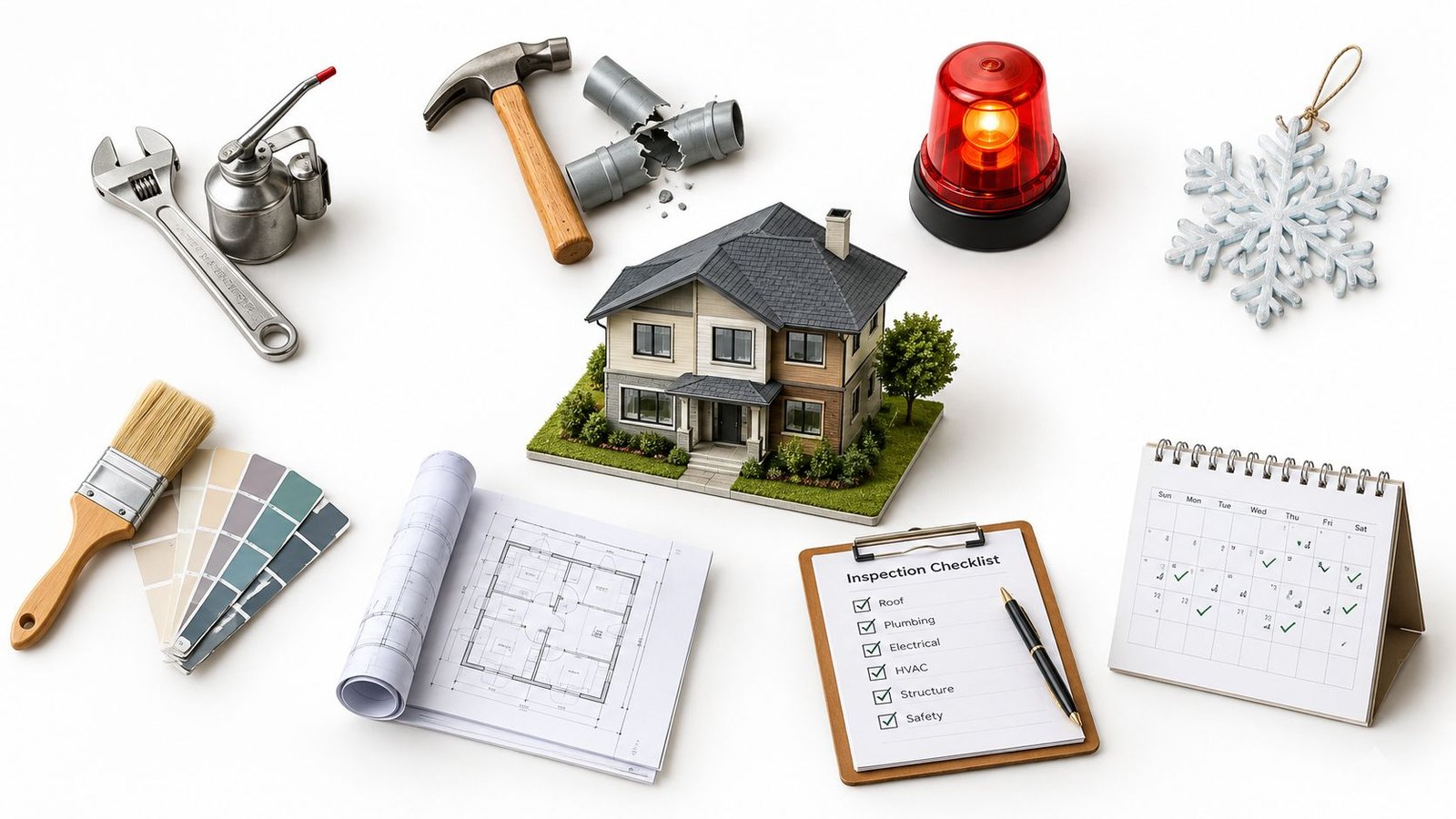
A January cold snap exposes weak maintenance planning quickly. A furnace fails, the owner pays for an emergency call and temporary heaters, and the tenant starts looking elsewhere. The same fault found during a fall service visit may have been a routine repair scheduled before winter, with less disruption and better control over the budget.
The main types of maintenance give Alberta landlords a practical way to make that distinction. Reactive work restores a failed system. Preventive work follows a calendar. Predictive and condition-based work use evidence from inspections, sensors, and asset records. Routine, reliability-centred, total productive, and risk-based approaches help decide who performs the work, when it happens, and how much funding each property needs.
The framework matters in Calgary, Edmonton, Red Deer, and other Alberta cities because rental homes face January cold, hail, snowmelt, and freeze-thaw cycles. It also matters under Alberta's continuing requirement that rental premises remain reasonably safe and in good repair. Owners can manage some tasks directly, but a property manager can coordinate vendors, inspections, tenant communication, documentation, and after-hours escalation when the owner is remote or busy.
Table of Contents
- 1. Reactive Corrective Maintenance
- 2. Preventive Maintenance
- 3. Predictive Maintenance
- 4. Condition-Based Maintenance
- 5. Routine (Scheduled Cyclical) Maintenance
- 6. Reliability-Centred Maintenance
- 7. Total Productive Maintenance
- 8. Risk-Based Maintenance
- Comparison of 8 Maintenance Types
- Build a Maintenance Mix That Fits Your Alberta Property
1. Reactive Corrective Maintenance
Reactive maintenance starts after something has failed. A furnace stops heating, a water heater leaks, a breaker trips, or a pipe bursts. The owner then arranges a repair to restore the property.
This approach has a legitimate place. Some failures happen without warning, and no inspection schedule can eliminate every emergency. A Calgary furnace can fail during a January cold snap even after reasonable servicing. An Edmonton condo pipe can burst during a winter freeze and damage the ceiling below, creating an insurance matter as well as a plumbing repair.
The problem is relying on reactive work for systems that can be inspected and planned. Alberta guidance requires landlords to keep rental premises reasonably safe and in good repair throughout the tenancy, including core systems such as structure, plumbing, wiring, heating, and landlord-provided appliances. The Alberta landlord and tenant responsibilities guidance explains that unresolved repairs can lead to applications for damages, rent reductions, compensation, or termination.
Where reactive work fits
Reactive maintenance works best for low-risk cosmetic items, isolated failures, and defects that cannot be predicted reliably. It works poorly for heating, plumbing, electrical safety, water containment, and other assets where failure can harm tenants or neighbouring units.
A practical response system should include:
- Emergency vendors: Keep approved plumbers, electricians, HVAC technicians, and restoration contractors available for urgent calls.
- Clear escalation: Treat no heat, active water intrusion, electrical hazards, and security failures as higher priority than cosmetic defects.
- Evidence: Require photos, invoices, vendor findings, and a written scope for every repair.
- Budget protection: Maintain a reserve so an emergency call doesn't delay essential work or create a cash-flow problem.
Practical rule: Reactive maintenance is a response category, not a complete maintenance strategy.
A central work-order record helps the owner see recurring failures instead of treating each call as a separate event. A structured maintenance work order template can capture the asset, tenant impact, diagnosis, authorization, completion evidence, and follow-up action. If the same appliance or plumbing connection keeps failing, the right decision may be replacement or condition monitoring rather than another isolated repair.
2. Preventive Maintenance
A Calgary landlord who waits for a furnace failure during a January cold snap may face an emergency call, tenant disruption, and limited contractor availability. Preventive maintenance schedules inspection, servicing, cleaning, testing, or replacement before a predictable failure occurs. The trade-off is planned spending now instead of a larger, less predictable bill later.
Alberta properties need calendars tied to weather and asset risk. Schedule furnace servicing and filter checks before winter demand. Service exterior taps and irrigation systems before freeze-up. Review roofs, flashing, and eavestroughs after snowmelt and before heavy rain. Hail season can damage roofing and siding, while freeze-thaw cycles can open gaps around doors, windows, and masonry.
A Calgary owner might book furnace service and a filter change in October. In Edmonton, a roof and eavestrough inspection after snowmelt may find loose flashing before water reaches an interior ceiling. These tasks require budget and staff time before a tenant reports trouble, but they create a defined work window and a clearer maintenance forecast.
Match the calendar to the property
Assign every task to an asset, season, and responsible person. Keep service records, warranties, invoices, and inspection photos in a shared owner portal. Good records show what was completed and help the next vendor avoid repeating diagnostic work.
Build the schedule around the failures that can disrupt occupancy or cause expensive damage:
- Heating systems: Arrange seasonal furnace servicing and replace filters according to property needs.
- Life-safety devices: Test smoke alarms and carbon monoxide alarms during turnover and on a regular schedule. Alberta requirements matter especially in homes with fuel-burning appliances or attached garages.
- Water systems: Inspect shutoffs, hoses, water heaters, sump pumps, and visible connections before failure.
- Exterior protection: Review roof surfaces, drainage, seals, grading, and eavestroughs after severe weather and seasonal transitions.
Use the Alberta rental weather-proofing guide when setting seasonal tasks. The HIBCO ROOF LLC maintenance tips provide a focused roofing reference.
Preventive work does not always reduce cost. Replacing a healthy component too early wastes capital. Choose timing from service records, warranty requirements, failure history, and the likely consequence of failure. A water heater above a finished lower unit deserves earlier attention than a worn cabinet hinge.
3. Predictive Maintenance
Predictive maintenance uses condition data to estimate when an asset is approaching failure. For Alberta landlords, it is a budgeting and staffing choice: pay for early warning where a January breakdown, hail-related damage, or a freeze-thaw problem could disrupt occupancy, and avoid monitoring low-cost items that are easy to replace.
A Calgary condo association might install water sensors in mechanical rooms and receive an alert when a slow leak starts. The manager can investigate before water reaches adjacent units. Hydro-Québec uses condition monitoring and analytics for transmission and substation assets across Quebec. Residential owners do not need a utility-scale system. They need evidence that supports a response when the likely loss justifies the cost.
Useful signals include:
- Leak detection: Place sensors near water heaters, washing machines, toilets, and mechanical rooms. In a January cold snap, an alert can give staff time to address a leak before water freezes or damages finished areas.
- Thermal inspection: Use infrared thermography to identify abnormal heat, insulation gaps, moisture, or electrical concerns. It can help during inspections after freeze-thaw cycles or hail season.
- Performance trends: Compare furnace runtime, thermostat calls, utility bills, and tenant reports over time. Rising runtime can indicate a heating issue before a tenant loses heat.
- Escalation rules: Set the recipient, response time, and vendor callout process for each alert. An owner may assign routine alerts to a property manager and heating emergencies to an on-call contractor.
Sensors only have value when someone reviews the alert and acts. Set response thresholds, test notifications, and record the outcome. A sensor can identify water, but a qualified vendor must find the source and decide whether the repair concerns plumbing, the building envelope, an appliance, or tenant activity.
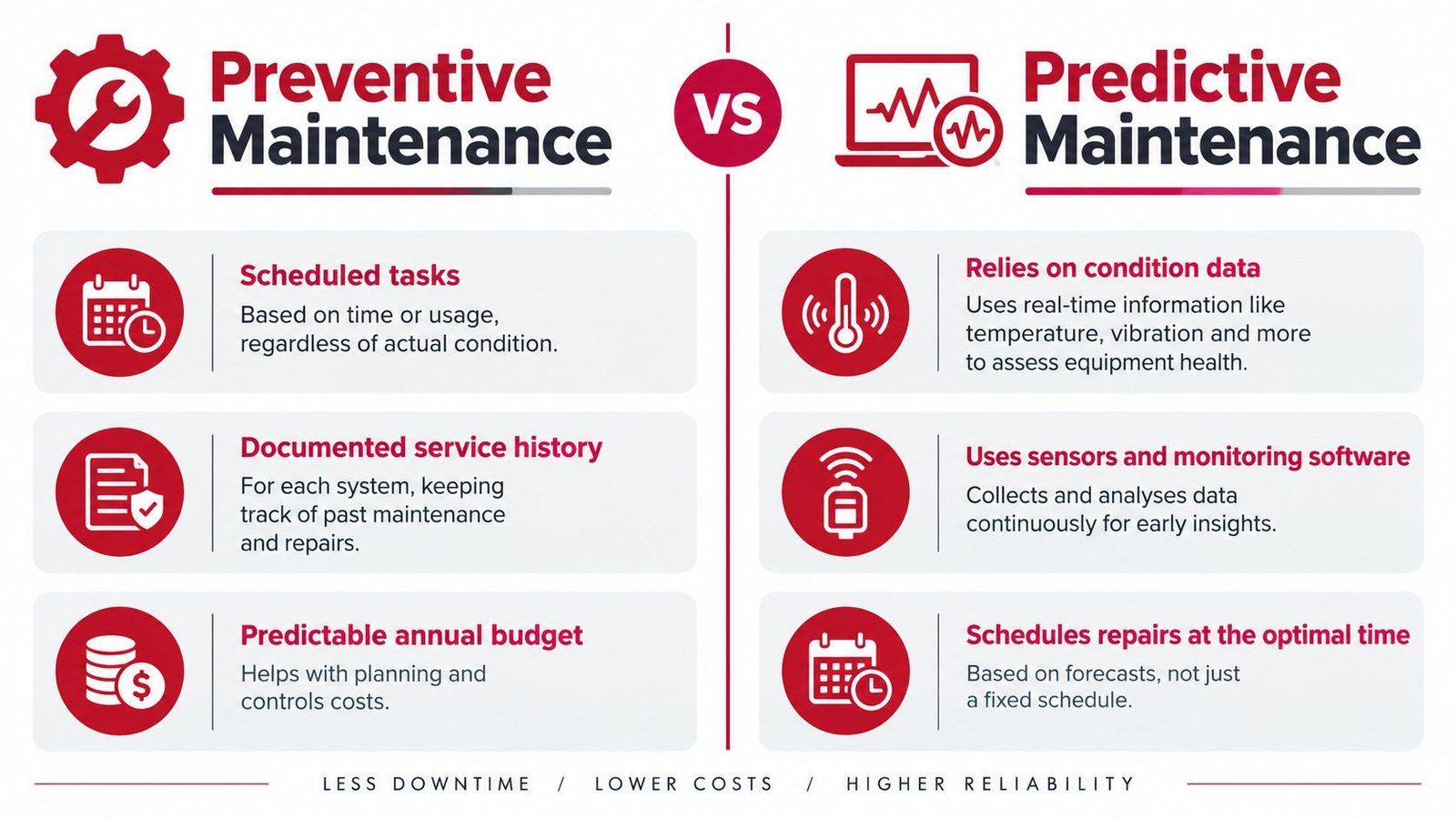
Predictive maintenance fits assets with a detectable warning pattern and disruptive failure consequences. It may not suit a low-value item with a simple replacement process. Before approving a sensor or monitoring service, compare its cost with emergency labour, tenant disruption, water damage, and the staffing needed to respond.
4. Condition-Based Maintenance
Condition-based maintenance lets the asset's actual state set the repair or replacement decision. The calendar still supports inspections, but a defined condition threshold triggers the work.
A Red Deer property manager might assess appliances, flooring, doors, and fixtures at move-out. Items rated good can remain in service, while a poor rating can move an item into the replacement budget. That avoids replacing every appliance on the same schedule, even when one is still reliable and another is deteriorating. An Alberta strata council could use moisture readings and visible surface wear to decide when a deck needs resealing.
The budget value is clear during Alberta's freeze-thaw cycles. A cracked exterior surface may need attention before spring water enters the assembly. After a January cold snap, damaged seals or weather stripping can be ranked by tenant impact and heat loss. Hail season may also leave siding or roofing in fair condition rather than requiring immediate full replacement. A condition record helps staff separate a repairable defect from an asset that has reached the end of its useful service.
Turn observations into budget decisions
Use the same rating definitions across staff and vendors. Each inspection should identify the asset and location, describe the visible defect, record tenant impact, and state the next action. Photos let an owner compare deterioration without attending every visit.
Alberta's inspection requirements offer a useful documentation foundation. Landlords and tenants must inspect the premises within one week before or after possession begins and within one week before or after possession ends. The landlord must provide the tenant with each report immediately and retain records for three years after the tenancy ends, according to Alberta's inspection report information.
Record the room, component, make, model, and installation details where available. Apply a consistent condition rating, explain the reason, and define the event that triggers repair, replacement, or closer monitoring. Keep tenant notices, vendor findings, invoices, and before-and-after photos with the record.
A rental property inspection service can organize these observations into an operating record. Repeated notes about condensation, slow drains, tripped breakers, or appliance performance may show that a small repair deserves a place in the next staffing and maintenance budget before it becomes an emergency.
5. Routine (Scheduled Cyclical) Maintenance
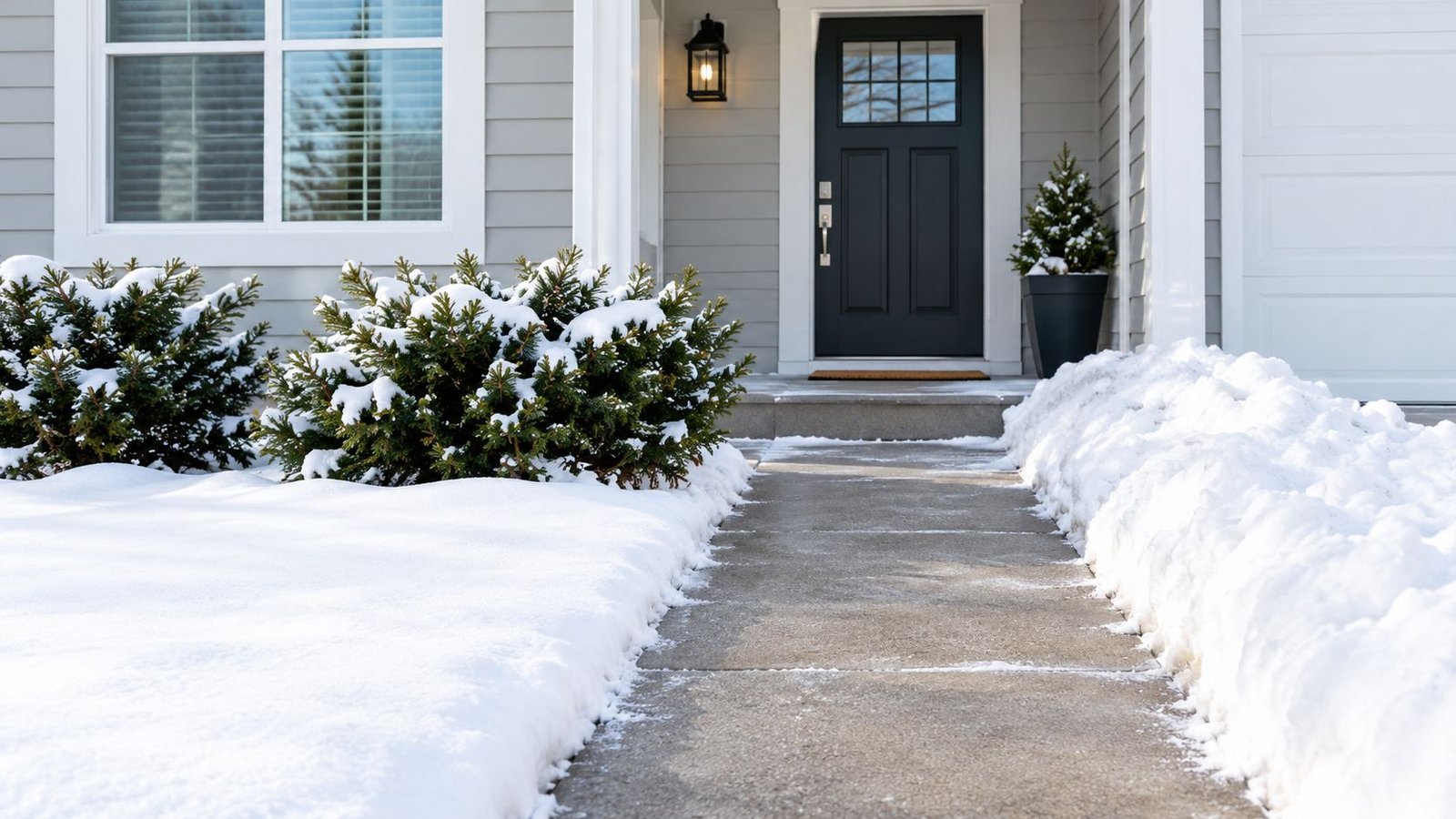
A Calgary fourplex can become difficult to access after one January storm. Routine maintenance keeps snow cleared, entrances usable, common areas clean, and exterior spaces presentable through recurring service rather than emergency calls. Typical tasks include snow removal, lawn care, pest-control checks, filter changes, spring cleanup, and irrigation shutdown.
The budget and staffing choice differs from technical preventive work. An HVAC technician, plumber, or electrician may handle system maintenance. Routine work usually needs a dependable recurring vendor, a defined scope, and evidence that each visit occurred. Owners should also test the contract against Alberta's seasons. A snow provider needs a clear standard before a cold snap, while landscaping and exterior contractors must be ready for hail season and freeze-thaw damage.
For a Calgary property, record clearing completion in the work-order system and retain photographs when tenants dispute conditions. An Edmonton townhouse complex may schedule spring and fall cleanup, eavestrough clearing, and irrigation shutdown to limit complaints and protect exterior assets.
Set a recurring service standard
Residents notice routine work every day. An uncleared walkway, overflowing bin area, or neglected entrance can generate complaints even when major building systems operate normally.
Use the calendar to assign responsibility:
- Winter access: Confirm snow clearing, ice treatment, exterior lighting, and safe entry routes.
- Spring recovery: Check drainage, eavestroughs, landscaping, exterior surfaces, and freeze-thaw damage.
- Summer exposure: Look for hail damage, irrigation leaks, pests, and overgrown vegetation.
- Vendor control: Require service dates, response expectations, photographs, and itemized invoice detail.
Filter changes need a practical rule rather than a blind interval. A home with pets may need more frequent attention than a lightly occupied unit, and timing depends on the filter type and system. The manager should record each change and review the removed filter during service.
These property manager pest control tips cover inspection schedules and treatment records that can complement a property-specific prevention plan.
Check monthly invoices against the agreed scope. This helps identify extra visits, unclear callouts, and duplicated tasks before a routine contract consumes more of the maintenance budget.
6. Reliability-Centred Maintenance
A furnace failure during a January cold snap deserves a different response from a loose cabinet hinge. Reliability-centred maintenance, or RCM, sets that priority by examining an asset's function, likely failure modes, consequences, and practical ways to control the risk.
For Alberta landlords, the same decision changes with the season. A Calgary sump pump protects a lower level during heavy runoff and freeze-thaw conditions. A water heater can cause flooding if a leak is missed. Roof drainage and exterior systems face added exposure during hail season. These assets usually warrant planned attention before a cosmetic floor mark or minor hardware failure.
Fund the consequence, not every asset
Classify assets as high, medium, or low criticality. High-criticality systems receive documented inspections, an assigned vendor, a response expectation, and a reserve plan. Medium-criticality items need regular review. Low-criticality items may follow a controlled run-to-failure approach when the repair will not affect safety, habitability, neighbouring units, or insurance exposure.
The assessment can fit on a property manager's worksheet:
- Function: State what the asset must do, such as provide heat or prevent water escape.
- Failure: Record what stops working and which warning signs may appear first.
- Consequence: Consider injury, loss of habitability, water damage, tenant disruption, insurance concerns, and replacement cost.
- Task: Choose a scheduled inspection, condition check, corrective repair, replacement plan, or controlled run-to-failure approach.
- History: Change the ranking after a major repair or repeated failure.
Staffing follows the ranking. A high-criticality furnace needs a known heating contractor and an escalation route before a cold snap. A low-criticality interior finish may wait for a normal work order. Hail damage may move exterior components up the list, while freeze-thaw damage can justify an earlier inspection of drainage and building surfaces.
RCM prevents the maintenance budget from treating every asset alike. It directs vendor time toward failures that can harm residents, interrupt occupancy, or create larger repair costs. Review the ranking after seasonal damage, recurring failures, or a major change in the property.
7. Total Productive Maintenance
Total Productive Maintenance, or TPM, gives everyone who interacts with a building a defined role in keeping equipment usable. For an Alberta rental, that usually means tenants, property managers, maintenance coordinators, and licensed trades. The aim is earlier information and fewer avoidable failures, not asking residents to become technicians.
A tenant in Calgary may notice a furnace starting slowly during a January cold snap. An Edmonton resident may report a dripping valve before freeze-thaw movement turns it into water damage. Hail season can also expose damaged seals, vents, or exterior components. A clear reporting route lets the manager act before a small observation becomes an urgent callout.
Make resident participation safe and useful
Tenants can handle simple operating tasks when the property manager gives clear instructions. A move-in guide may cover dryer lint removal, suitable drain use, keeping vents clear, replacing an approved filter when directed, and reporting leaks or heating concerns promptly. It should also state the limits. Residents must not open electrical panels, alter gas equipment, or attempt repairs that require a licensed trade.
A practical TPM setup includes:
- Short guidance: Explain filters, drains, dryer care, water shutoffs, and urgent reporting without turning the guide into a technical manual.
- Simple reporting: Provide a tenant portal or phone process that accepts a description and photos.
- Early recognition: Ask residents to report unusual furnace noise, slow drains, damaged seals, repeated breaker trips, or visible leaks.
- Scheduled verification: Use inspections to confirm that resident care supports professional maintenance rather than replacing it.
The manager remains responsible for triage, authorization, and vendor access. “The furnace is not working” could mean a thermostat problem, blocked filter, electrical fault, fuel issue, or equipment failure. During a cold snap, the report deserves prompt assessment, even if the cause seems minor. Staff should avoid blaming the tenant before diagnosis.
TPM also affects budgeting. A clear reporting process may reduce emergency labour and help staff group ordinary work orders. It does not remove the need for seasonal inspections, qualified contractors, or reserve funds for major failures. The approach works when instructions are short, reporting is easy, and residents receive a response. It fails when tenants receive unclear duties or report problems into a system that does not act.
8. Risk-Based Maintenance
A furnace fails during a January cold snap in Edmonton. A roof leak appears during Calgary's spring thaw. A hailstorm damages siding, while a small water-line defect threatens several units. Risk-based maintenance helps landlords decide which problem gets staff time, contractor capacity, and reserve funding first.
Rank each task by two questions: how likely is failure, and what happens if it occurs? Give priority to hazards that could injure residents, make a home uninhabitable, damage multiple units, or create serious regulatory and insurance exposure. A gas leak, electrical fire, failed heating system, or major water loss requires more control than a worn cabinet hinge.
The ranking should reflect Alberta's seasons. Before January, check heating and freeze protection. Before hail season, review roof, siding, windows, and exterior drainage. During freeze-thaw cycles, watch for foundation seepage, damaged seals, and ice-related access hazards. Staffing should match the risk. Keep qualified help available for gas, electrical, boilers, and other regulated work, while in-house staff handle documented checks and triage.
Keep a live risk register
Record each system, likely failure, consequence, current condition, and next control. Review the register during the annual inspection and after a significant incident. A simple spreadsheet is enough if staff update it and use it to assign work.
Give priority to:
- Life safety: Gas appliances, electrical hazards, smoke alarms, carbon monoxide alarms, and unsafe access conditions.
- Habitability: Heating, water service, sanitation, weather protection, and secure doors and windows.
- Cascading damage: Roof leaks, supply lines, washing-machine hoses, water heaters, sump pumps, and drainage.
- Regulated work: Gas fittings, boilers, pressure equipment, and electrical work requiring qualified professionals.
- Tenant impact: Issues affecting sleep, health, privacy, access, or essential parts of the home.
Alberta housing data shows why rental condition needs attention. In 2016, 6.8% of rented dwellings across Alberta required major repairs, compared with 5% of owned dwellings. Edmonton data reported 7% of rented dwellings requiring major repairs, compared with 5% of owned dwellings, according to the Edmonton housing condition material.
Funding decisions belong in the same register. The provincial Auditor General reported more than CAD 1 billion in deferred maintenance across more than 27,000 government-owned housing units in approximately 2,800 facilities. Average annual capital-maintenance spending was about CAD 37 million during the preceding five years, as reported in CBC's coverage of the Auditor General findings. Private owners can apply the practical lesson: document condition, forecast renewal, and fund high-consequence work before small defects become capital emergencies.
Comparison of 8 Maintenance Types
| Maintenance Type | Implementation (🔄 Complexity) | Resource requirements (⚡ Speed/Efficiency) | Expected outcomes (⭐📊 Effectiveness / Impact) | Ideal use cases | Key advantages (💡 Insights / Tips) |
|---|---|---|---|---|---|
| Reactive (Corrective) Maintenance | Low upfront; ad‑hoc, emergency-driven 🔄 | Low routine spend; high unpredictable emergency costs ⚡ | Low reliability (⭐); high cost variability and tenant disruption 📊 | Small, low‑risk items; unavoidable sudden failures | Minimal planning; easy to adopt; keep an emergency fund 💡 |
| Preventive Maintenance | Moderate: scheduled programs and tracking 🔄 | Moderate recurring costs; vendor coordination and admin ⚡ | Improved reliability (⭐⭐); fewer emergencies and predictable budgets 📊 | Seasonal systems (heating, roofs), warranty compliance | Reduces breakdowns; extends asset life; aids budgeting 💡 |
| Predictive Maintenance | High: sensors, monitoring, analytics and interpretation 🔄 | Higher upfront for sensors/software; lowers long‑term repair costs ⚡ | High reliability (⭐⭐⭐); optimal timing of interventions, less waste 📊 | Critical systems, leak detection, larger multi‑unit assets | Detects hidden issues early; avoids premature replacements 💡 |
| Condition‑Based Maintenance (CBM) | Moderate: inspections with defined thresholds 🔄 | Moderate for inspection labour and simple instruments ⚡ | Good reliability (⭐⭐); acts before most failures, targeted spend 📊 | Move‑out checks, measured wear (moisture, filters) | Triggers work only when needed; supports documented decisions 💡 |
| Routine (Scheduled Cyclical) Maintenance | Low–moderate: recurring upkeep schedules 🔄 | Predictable ongoing costs (landscaping, snow, cleaning) ⚡ | Maintains appearance and satisfaction (⭐⭐); reduces liability 📊 | Lawn care, snow removal, janitorial, seasonal tasks | Simple to delegate; set service standards and checklists 💡 |
| Reliability‑Centered Maintenance (RCM) | High: structured failure‑mode analysis and logic 🔄 | High effort and expertise; best for larger portfolios ⚡ | High strategic effectiveness (⭐⭐⭐); optimized spending and safety 📊 | Large portfolios or complex/high‑value assets | Prioritizes critical systems; provides defensible maintenance rationale 💡 |
| Total Productive Maintenance (TPM) | Moderate–high: training and occupant involvement 🔄 | Low–moderate: education, simple tools, communication systems ⚡ | Improved early detection (⭐⭐); cultural benefits over time 📊 | Tenant‑involved care; properties where occupants influence outcomes | Encourages ownership, reduces avoidable calls; use simple guides/portals 💡 |
| Risk‑Based Maintenance (RBM) | Moderate–high: risk scoring and register upkeep 🔄 | Moderate for assessments; focuses resources where risk is highest ⚡ | High protection for safety‑critical issues (⭐⭐⭐); defensible prioritization 📊 | Gas/electrical safety, major water/risk exposures, regulatory needs | Concentrates resources on highest consequences; update risk register annually 💡 |
Build a Maintenance Mix That Fits Your Alberta Property
The eight types of maintenance work together. They aren't eight separate programmes that every landlord must fund equally.
Reactive maintenance handles failures that cannot be avoided. Preventive maintenance protects systems through scheduled service. Predictive maintenance uses performance signals, while condition-based maintenance relies on inspection thresholds. Routine maintenance keeps access, grounds, common areas, and recurring services under control. Reliability-centred maintenance decides which assets deserve deeper attention. Total productive maintenance improves reporting and basic care through tenant participation. Risk-based maintenance places safety, habitability, water intrusion, and high-consequence failures at the top.
The right mix depends on the property. A detached Calgary home may need a straightforward seasonal calendar, leak sensors near the water heater, reliable furnace servicing, and documented turnover inspections. An Edmonton condo may require stronger coordination with the corporation, neighbouring-unit communication, and water-loss controls. A Red Deer fourplex may need recurring snow removal, common-area checks, appliance condition records, and a vendor response plan that works when the owner is away.
A practical operating plan should contain four parts:
- Risk ranking: List heating, plumbing, electrical, fire safety, security, roof, and water-intrusion risks before cosmetic work.
- Seasonal calendar: Schedule furnace service before winter, exterior water shutdown before freeze-up, and roof and drainage reviews after snowmelt.
- Asset and condition records: Track installation dates, service history, condition ratings, photographs, warranties, and expected replacement needs.
- Funding and escalation: Reserve money for urgent repairs and planned renewal, with approval rules for emergencies, replacements, and tenant-caused damage.
Documentation serves more than security-deposit decisions. Alberta guidance says landlords remain responsible for keeping premises in good repair, while normal wear and tear can't be deducted from a security deposit. Move-in and move-out inspections are mandatory, must occur within one week before or after possession changes, and reports must be retained for three years. The Residential Tenancy Act handbook supports an evidence model based on dated photos, written scopes, tenant notices, vendor findings, invoices, and before-and-after comparisons.
Alberta's housing evidence also shows why owners should avoid deferred maintenance. In 2016, 24.7% of Alberta households required minor repairs and 5.7% required major repairs, according to the 2016 Alberta housing data. Minor defects recorded early can become corrective tasks instead of major replacements. Condition data can then support reserve planning and a clear conversation with the owner.
Cost control also requires judgement. Canadian homeowner maintenance and repair prices rose 19.2% between September 2018 and September 2024, according to the Alberta landlord and tenant responsibility guidance. That makes approval thresholds, scoped vendor work, and planned renewal more important, but it doesn't justify delaying essential repairs. The best maintenance decision is the one that balances safety, habitability, failure consequence, condition evidence, tenant disruption, and useful life.
Owners who live outside Calgary, manage several units, or lack reliable local vendors may need help making that system run. GURIQBAL CHAHAL, MBA, PMP, REAL ESTATE BROKER can review the current approach at 403-966-6072. Dreamhouse Realty Ltd. provides rental management, inspections, maintenance coordination, vendor follow-up, tenant communication, owner reporting, and compliance support across Calgary, Edmonton, Red Deer, and surrounding Alberta communities.
The next step is a property-level review. Identify the highest-risk assets, check whether each has current condition evidence, confirm the next seasonal task, and separate immediate corrective work from planned renewal. Owners can also review end-of-tenancy cleaning services for property managers as part of a broader turnover process, while keeping Alberta tenancy requirements and local operating needs at the centre of the plan.
Dreamhouse Realty Ltd. offers maintenance coordination, documented inspections, vendor management, tenant communication, and owner reporting for Alberta rental properties. Owners can connect their seasonal, corrective, and risk-based maintenance needs with a local management process by visiting Dreamhouse Realty Ltd..