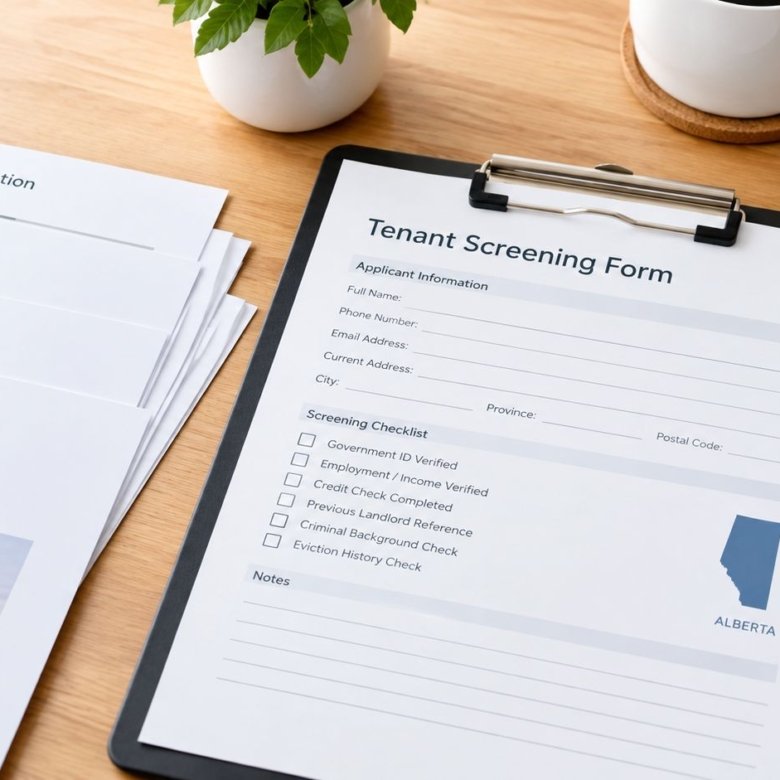

A reliable move-in process requires seven documented checkpoints before and after key handover: inspection evidence, lease verification, deposit records, utilities, payment instructions, house rules and follow-up. In Alberta, the inspection report must be completed within one week before or after possession, signed by both parties, and provided to the tenant when completed.
A Calgary owner may discover the problem only after the tenant has moved in. A carpet stain wasn't recorded, the utility account wasn't transferred, or the tenant's payment instructions were discussed verbally but never confirmed in writing. At move-out, each gap can become a maintenance, payment or condition dispute.
A practical move in checklist landlord workflow turns key handover into a controlled record rather than a rushed exchange of keys. The seven checkpoints below cover inspection evidence, lease administration, deposit documentation, utilities, payment setup, tenant orientation and post-move-in follow-up. Alberta-specific lease, deposit, notice and record-keeping questions should be checked against current requirements or handled with qualified local support. Owners comparing broader relocation planning can also review this Boston move planning guide, while Dreamhouse Realty Ltd. offers local oversight, tenant placement and compliance-focused management in Calgary, Edmonton, Red Deer and surrounding communities.
Table of Contents
- 1. Conduct a Comprehensive Move-In Inspection and Provide Condition Disclosure
- 2. Verify Tenant Identity and Lease Compliance Before Key Transfer
- 3. Collect the Security Deposit and Confirm Payment Records
- 4. Coordinate Utilities, Meter Readings and Essential Services
- 5. Establish the Rent Payment Method and Confirm Banking Details
- 6. Review House Rules, Maintenance Responsibilities and Occupancy Policies
- 7. Schedule Post-Move-In Follow-Up and Offer Professional Coordination
- Landlord Move-In Checklist: 7-Point Comparison
- Turn Key Handover Into a Repeatable System
1. Conduct a Comprehensive Move-In Inspection and Provide Condition Disclosure
The inspection report is the property's baseline. Alberta requires landlords and tenants to complete both move-in and move-out inspection reports within one week before or after possession. The unit should generally be vacant, both parties should inspect it together, and both parties must sign the report. The landlord must provide the tenant with a copy as soon as the report is completed, according to Alberta's tenancy guidance.
A useful report records more than whether a room looks clean. It should identify scratches, burns, stains, chips, damaged fixtures, appliance condition, utility meter readings and any known defect. Photos and video add context, particularly when a written note such as “carpet worn” doesn't show the location or extent of the wear.
Build evidence that survives a later dispute
A Calgary landlord might photograph a carpet stain in natural light, capture a closer image with flash, and add a dated video walkthrough. A Red Deer property manager might disclose a prior water stain in writing, identify whether it was repaired, and have the tenant acknowledge the disclosure. Those records separate pre-existing conditions from damage that occurs during the tenancy.
Use a standardized form aligned with Alberta requirements, then store the signed report, defect disclosure, photos and video in the property's secure digital file. A local backup is sensible. The rental property inspection process should produce the same evidence package every time, whether the owner lives nearby or relies on a manager.
Practical rule: A photograph without a location, date or written description is weaker than a photograph tied to a specific room, fixture and inspection record.
The province's landlord guidance also states that the landlord must retain a copy of the inspection report for at least three years after the tenancy ends, and required statements and signatures matter before damage deductions can be made from the security deposit. An equipment inspection checklist example can offer useful ideas for consistent fields, but the rental form must remain appropriate for Alberta tenancy documentation.

2. Verify Tenant Identity and Lease Compliance Before Key Transfer
Keys shouldn't be released until the tenancy file matches the person receiving possession. The landlord or manager should compare the lease signer's name with reliable identification, confirm that every required party has signed, and ensure the tenant has the final version of the agreement and any addenda.
A Red Deer manager could prevent an avoidable problem by identifying a mismatch between the signer's name and government identification before handover. In Calgary, a missing co-signer signature may be easier to correct before occupancy than after a dispute arises. These checks don't establish that a tenant will never breach the lease, but they reduce uncertainty about who is authorized to occupy the property and which documents govern the tenancy.
Prepare a clean handover file
Duplicate lease copies should be ready before the appointment, with one complete copy for the landlord and one for the tenant. The file should include the signed lease, pet or parking addenda, house rules, contact information, inspection documents and any written defect disclosure.
Identity verification can use an Alberta driver's licence, provincial identification card or passport. Personal information should be collected, stored and accessed carefully. A property manager should have a consistent retention and privacy process rather than leaving identification photographs in an email inbox or on a personal phone.
Before handing over keys, confirm:
- Authorized occupants: Match every named occupant and signer to the approved tenancy file.
- Lease execution: Check signatures, initials and addenda, including pet or parking terms.
- Tenant understanding: Explain the rent due date, reporting channel, access process and material house rules.
- Key inventory: Record keys, fobs, remotes and mailbox access issued at handover.
A tenant who asks a question about a lease clause shouldn't be rushed through the appointment. The correct response is to clarify the written term or obtain qualified Alberta advice, not to create a contradictory verbal promise. A structured Alberta tenant screening process helps connect approved applicants, executed leases and documented possession.
3. Collect the Security Deposit and Confirm Payment Records
Before keys change hands, confirm that the security deposit has been received and recorded in the move-in file. The file should connect the payment to the tenant, property address, amount and date received. A written receipt gives both parties a clear reference if the tenant later questions how the deposit was credited.
Use a payment method that creates a traceable record, such as an e-transfer, certified cheque or money order, provided it fits the lease and applicable requirements. Cash can be harder to verify later, so any cash payment should be documented promptly with a signed receipt and ledger entry.
Build the record for the full tenancy
An Edmonton owner may save a bank confirmation without issuing a formal receipt. A Calgary manager can preserve the confirmation, issue the receipt and link both documents to the tenancy ledger. The second process takes more attention at handover, but it gives the manager a clearer audit trail when move-out accounting begins.
Keep deposit records distinct from ordinary operating expenses, and document any applicable interest treatment. The lease should identify the agreed deposit terms, the process for proposed deductions and the expected return procedure. Limits, holding requirements and timing should be checked against current Alberta rules, since a generic form may not reflect current obligations.
Record these items before closing the appointment:
- Payment confirmation: Save the transaction record and connect it to the tenant ledger.
- Written receipt: Include the tenant's name, property address, amount and date received.
- Deposit terms: Direct the tenant to the lease provisions that govern the deposit.
- Move-out connection: Store the receipt with inspection evidence so later deductions can be reconciled against the documented condition.
The inspection file and payment record serve different purposes, but they should remain easy to retrieve together. Inspection evidence addresses the property's condition, while the receipt establishes what was collected and when.
A repeatable rent payment receipt workflow helps an owner or manager document the transaction during a busy key-handover appointment instead of relying on memory.

4. Coordinate Utilities, Meter Readings and Essential Services
Key handover can fail even in a clean, well-documented home if the tenant cannot identify the shut-off valve, operate the thermostat or confirm who pays the utility bills. Check the lease first, then turn those responsibilities into instructions the tenant can use on move-in day.
During the walkthrough, point out the main water shut-off, electrical panel, furnace or boiler controls, thermostat, appliance controls and any gas shut-off relevant to the tenant. Provide emergency contacts and reporting steps with the same orientation materials. Showing a Calgary tenant the water shut-off before possession gives them a practical response if a leak develops.
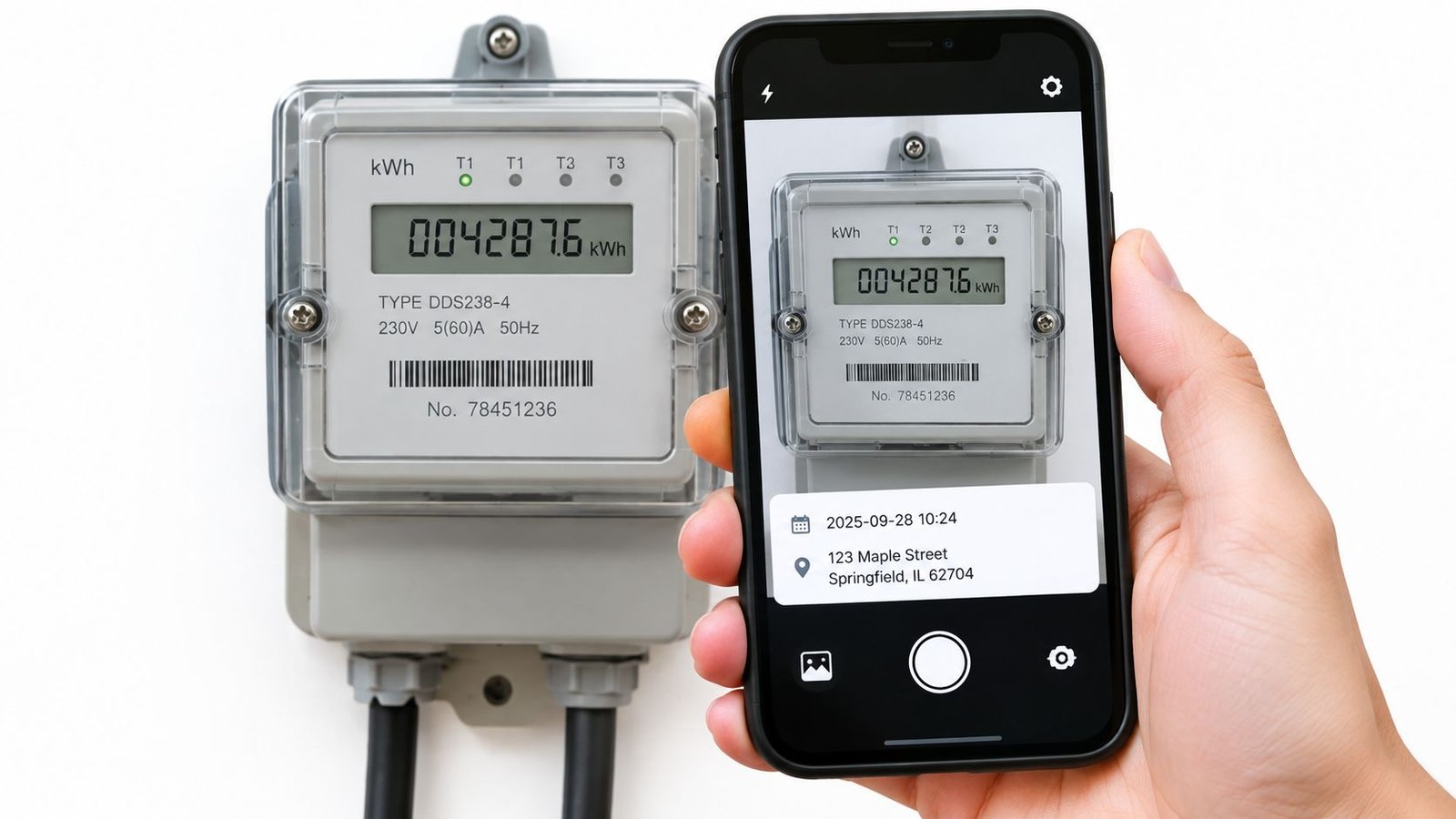
Photograph each meter on the move-in date. Keep the unit address or identifier visible in the image file, and record the reading in the handover record. Where the tenant is responsible for a utility, request confirmation that the account has been activated before possession. Where the landlord pays, record that arrangement and retain the account or billing responsibility details.
Record the starting reference before the keys change hands. An Edmonton manager can later compare a baseline water reading with service information while investigating a leak. The reading does not establish responsibility by itself, but it is stronger evidence than a later estimate.
Build the handover around four practical questions:
- Where is it? Show shut-offs, the panel, thermostat and major equipment.
- How does it work? Give written appliance and heating instructions, adding photos where they prevent confusion.
- Who manages the account? Identify utilities the tenant must transfer and those remaining with the landlord.
- What happens during an emergency? State who to contact for a leak, loss of heat, electrical concern or urgent safety issue.
Send the guide and meter images electronically after the appointment. A searchable utility setup guide for tenants can support Alberta-specific instructions, while the lease and property records remain the controlling documents.
5. Establish the Rent Payment Method and Confirm Banking Details
Set up rent collection before the key appointment, then confirm the arrangement in writing. The tenant should have the lease rent amount, due date, approved payment method, recipient or portal details, required reference, and receipt process in one clear message.
For an e-transfer, provide the recipient name, property identifier, memo format and verification contact. For direct deposit or a portal, confirm that access works and record the account or login setup without storing unnecessary banking information. A Calgary landlord might provide portal access during handover and email the same instructions afterward. An Edmonton manager may keep direct-deposit records in a central ledger. The workable method is the one that produces traceable transactions and prompt reconciliation.
Use an established contact channel to verify any request to change banking details. A tenant should not act on a revised account message from an unfamiliar sender, particularly under remote management. Record the verification date, person who confirmed it and account details that were provided.
Choose payment options that suit the tenancy and can be documented. E-transfer, direct deposit and cheque may all be appropriate. Cash is harder to trace, so use it only with a written receipt and ledger entry if it is accepted. The lease controls the due date, permitted fee and grace-period wording.
Before possession, complete these records:
- Written instructions: Send the payment details by email and retain the message.
- Tenant acknowledgement: Record the tenant's confirmation that the instructions were received.
- Payment setup: Verify portal access or banking details before the first scheduled payment.
- Receipt process: State how receipts, statements and payment history will be provided.
Keep the payment file with the lease and handover records. If a payment is missed, follow a defined arrears process: check the ledger, document the contact attempt, and send the appropriate written notice. This replaces improvised text messages with a consistent record for the owner and tenant.
6. Review House Rules, Maintenance Responsibilities and Occupancy Policies
At key handover, give the tenant more than access instructions. Review how the property may be used, who handles specific tasks and how concerns must be reported. A signed house-rules addendum should cover noise, guests, pets, parking, smoking, waste disposal, alterations and maintenance reporting. Keep each rule reasonable, specific and consistent with Alberta law and the lease.
Explain responsibility through practical examples. The tenant may need to report a leaking tap promptly, replace an ordinary consumable item or follow a snow-removal term that was properly assigned. The landlord still handles obligations placed on the landlord by the lease and law. A manager must not use house rules to shift responsibilities that cannot lawfully be transferred.
Make the rules usable on move-in day
Walk through the rules that affect immediate use of the property, then provide the same information in writing. A Calgary manager might identify the assigned parking stall, visitor restrictions and the towing or enforcement process. An Edmonton landlord might show where waste belongs, explain quiet-hour expectations and identify the correct route for a recurring noise concern. Specific conduct and a clear reporting path are easier to apply than vague wording.
The tenant should initial or sign the addendum. After possession, email a short summary as a quick reference, while keeping the signed document as the controlling record. Include the practical details a tenant may need later, such as guest procedures, waste locations and the maintenance contact.
Record these items in the handover file:
- Property use: Confirm smoking, pet, alteration and occupancy terms.
- Shared areas: Identify parking, storage, entrances, waste areas and common-space requirements.
- Maintenance reporting: Provide one routine channel, the details to include and an emergency route.
- Tenant acknowledgement: Retain the signed addendum with the executed lease and note that the rules were reviewed.
The trade-off is detail versus usability. A concise addendum, supported by a practical property guide and consistent enforcement, is more useful than a long rulebook tenants cannot readily consult. Revisit unclear instructions in writing rather than changing expectations informally.
7. Schedule Post-Move-In Follow-Up and Offer Professional Coordination
A key handover can look complete while the tenant is still discovering problems. Contact the tenant about five to seven days after possession by phone or email. Ask whether utilities work, any defect was missed, and any system that seemed clear during the appointment has caused confusion.
Use the conversation to resolve small issues early. A Red Deer manager may learn that the thermostat is not working and arrange service before the concern becomes a larger maintenance complaint. A Calgary landlord may resend emergency contacts, payment instructions or the reporting process after the tenant has settled in. Record the questions asked, the tenant's response and the next action.
Send a short written follow-up that covers:
- Tenant confirmation: Record the date, communication channel and current contact details.
- Property condition: List newly reported defects and attach tenant photos when available.
- Maintenance action: Create a work order, identify the vendor, confirm the appointment and document access arrangements.
- Resolution: Record the repair outcome, date completed and any further monitoring required.
- Ongoing process: Restate the payment, emergency and maintenance reporting routes only where clarification is needed.
A follow-up is useful when each reported issue has an owner, deadline and documented outcome. If the tenant reports no concerns, retain that response with the inspection file rather than treating it as proof that no future issue can arise.
Owners with several Alberta properties may benefit from keeping inspection reports, communications, work orders and financial records in one portal. Dreamhouse Realty Ltd. describes services covering tenant placement, lease execution, move-in documentation, condition reports, maintenance coordination and owner communications. A centralized process can help remote owners apply the same handover and follow-up standards across properties, although it requires consistent data entry and review.
The practical result is a repeatable record: possession date, reported concerns, assigned work and closure. That record supports clearer communication and gives the owner or manager a reliable starting point if a maintenance dispute develops.
Landlord Move-In Checklist: 7-Point Comparison
| Item | 🔄 Implementation Complexity | ⚡ Resource & Time Requirements | 📊 Expected Outcomes | ⭐ Key Advantages | 💡 Practical Tip |
|---|---|---|---|---|---|
| Conduct Comprehensive Move-In Inspection and Provide Condition/Defect Disclosure | High, detailed room-by-room inspection and documentation | High, 30–90+ mins; camera/video, standardized forms, cloud storage | Strong legal baseline; fewer security-deposit disputes | Legally defensible evidence; clear landlord/tenant responsibilities | Use date-stamped photos/videos and standardized form; store backups in cloud |
| Verify Tenant Identity and Lease Compliance Before Keys Transfer | Moderate, ID checks and lease review | Low–Moderate, ID verification, duplicate lease copies, signatures | Prevents fraud and unauthorized occupancy; enforceable lease terms | Reduces unauthorized tenancy risk; ensures legal compliance | Photograph government ID and use Alberta-compliant lease template |
| Collect Security Deposit and Confirm Payment Records for Move-In Protection | Moderate, collection, receipt and accounting procedures | Low, receipt issuance, separate accounting, possible bank processing | Financial recourse for damages/unpaid rent; clear payment record | Traceable funds; tenant accountability | Avoid cash; provide written receipt and keep deposit in separate account |
| Utilities, Meter Readings, and Essential Services Orientation | Moderate, system demonstrations and account coordination | Moderate, walkthroughs, meter photos, utility transfer coordination | Fewer billing disputes and service interruptions; proper system use | Prevents service issues; reduces avoidable maintenance calls | Photograph meter readings with timestamp and email orientation guide |
| Establish Rent Payment Method and Confirm Banking Details for Reliable Collection | Low, set up payment methods and document details | Low, provide instructions, portal setup, payment options | More consistent, traceable rent collection and predictable cash flow | Enables automation and reduces collection disputes | Offer multiple non-cash options; email payment instructions and confirmation |
| Review House Rules, Maintenance Responsibilities, and Guest/Occupancy Policies | Moderate, prepare addendum and obtain tenant acknowledgment | Low, written addendum, signatures, brief explanation | Fewer behavior and maintenance disputes; consistent enforcement | Protects property condition; reduces neighbor complaints | Keep rules reasonable and specific; have tenant initial addendum |
| Schedule Post-Move-In Follow-Up and Offer Professional Move-In Coordination | Low, scheduled check-in communications | Low, 10–30 mins plus admin tracking; follow-up tools | Early issue detection; improved tenant satisfaction and retention | Proactive issue resolution; demonstrates professional management | Schedule follow-up ~5–7 days after move-in and document outcomes |
Turn Key Handover Into a Repeatable System
A dependable Alberta move-in process follows a clear sequence. First, complete the inspection with the tenant, document defects, capture photos and obtain signatures. Next, verify identity, lease execution and authorized occupants before releasing keys. Then record the security deposit, issue the receipt and connect the payment record to the tenancy file.
The operational checkpoints follow immediately. Confirm utility responsibility, photograph meter readings and explain essential systems. Provide written rent instructions and verify the banking or portal details. Review signed house rules covering occupancy, guests, pets, parking, smoking, waste and maintenance reporting. Finally, contact the tenant after move-in, record any issue and track each repair or response to completion.
The final pass should happen before the handover appointment closes:
- Signatures: Confirm the lease, inspection report, defect disclosure and house-rules addendum are complete.
- Payment records: Save the deposit receipt and payment confirmation in the property file.
- Inspection evidence: Store the signed report, timestamped photos, video and meter readings securely.
- Utilities: Confirm account responsibility, activation where applicable and essential-service instructions.
- Tenant contacts: Provide emergency, maintenance and payment communication routes in writing.
- Follow-up: Schedule the post-move-in contact and create a task for unresolved items.
Alberta guidance makes the inspection requirement particularly important. Reports must be completed within the applicable one-week window, signed by both parties and provided to the tenant when completed. The landlord should also retain the report for at least three years after the tenancy ends, as stated in Alberta's landlord handbook. If the tenant is absent, the inspection process has additional opportunity requirements, so the current provincial rules should be checked rather than assumed.
For owners in Calgary, Edmonton, Red Deer and nearby communities, a property manager can turn these steps into templates, calendar tasks, portal records and escalation procedures. Current Alberta requirements and notices should always be confirmed against official guidance or qualified local advice, especially when a deposit deduction, lease issue or possession matter is involved.
GURIQBAL CHAHAL, MBA, PMP, REAL ESTATE BROKER, can be reached at 403-966-6072 for owners seeking move-in coordination, documentation, compliance oversight and ongoing management across Alberta.
Dreamhouse Realty Ltd. provides tenant placement, lease preparation, move-in and move-out inspections, rent collection, maintenance coordination and compliance-focused property management for Alberta rental owners. Owners who want this move-in checklist landlord workflow handled consistently can visit Dreamhouse Realty Ltd. or call GURIQBAL CHAHAL, MBA, PMP, REAL ESTATE BROKER, at 403-966-6072 to discuss the property.