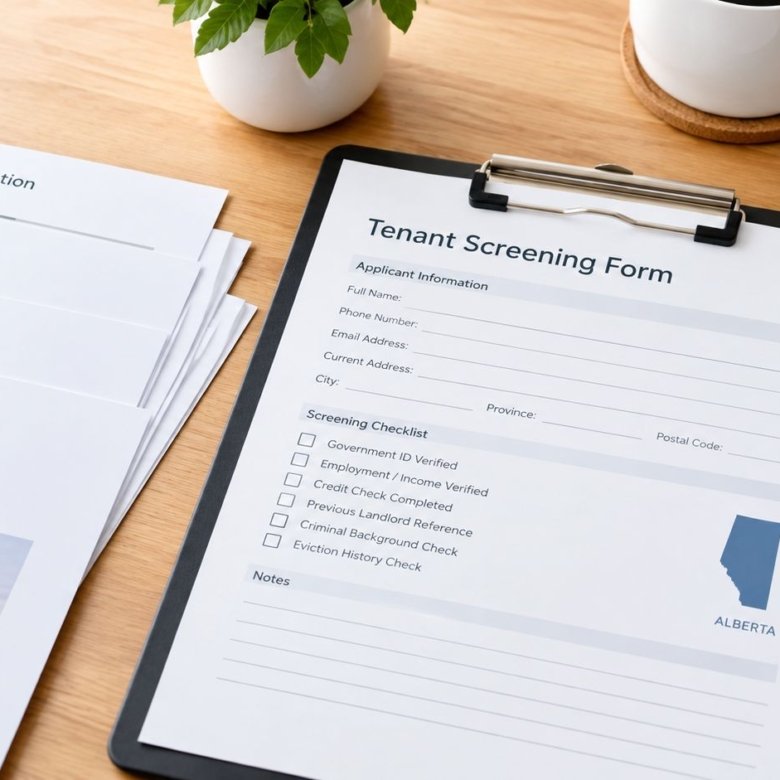

You can have a tenant who's stayed put for years, pays on time, and still becomes a problem the moment the unit rolls to month-to-month. The issue usually isn't the person, it's the paperwork, the timing, and the false assumption that a periodic tenancy gives a landlord quick exit options. In Alberta, that assumption costs time, and often an extra month of occupancy.
A proper rental agreement Alberta month to month arrangement only works when the landlord treats it like a regulated process, not a casual rollover. The rules on notice, service, and rent changes are strict, and Calgary owners who ignore the calendar usually discover the mistake only after a dispute starts.
Table of Contents
- Understanding Month-to-Month Tenancies in Alberta
- Drafting Your Monthly Rental Agreement
- Navigating Notice Periods and Timing
- Handling Rent Increases Correctly
- Why Professional Compliance Matters
Understanding Month-to-Month Tenancies in Alberta
A month-to-month tenancy is a periodic tenancy with no fixed end date. In Alberta, most periodic tenancies fall into this category, and a fixed-term lease often converts to monthly when the term ends and the tenant stays on without a new agreement, as Alberta's tenancy guidance explains in its difference between renting and leasing overview.
What actually changes after the fixed term ends
The legal structure changes more than many owners expect. Once the tenancy becomes periodic, the parties are no longer looking at a simple end date on the lease. Instead, they have to work within the province's notice rules, which govern when the tenancy can end and when changes take effect.
For tenants, the move-out rule is one tenancy month of notice. For landlords, it is three tenancy months of notice, and that asymmetry is the core operational reality that many owners underestimate. Alberta also says the notice must be served on or before the first day of the notice period, which means a late notice does not do what many landlords think it does.
Practical rule: treat every month-to-month tenancy as a regulated timeline, not a flexible handshake arrangement.
The practical takeaway is simple. If the goal is to regain possession, the landlord must count backwards from the tenancy month and not from a vague end-of-month preference. If the goal is to keep the unit occupied, the file still needs proper documentation because the same rules apply when a dispute arises.
For Alberta owners, that distinction matters because periodic tenancies are not informal renewals. They are continuing legal relationships with specific termination mechanics, and those mechanics control whether a notice is valid at all.
Drafting Your Monthly Rental Agreement
A signed agreement can still create problems if its terms conflict with Alberta's tenancy rules. In Calgary property management, disputes often start with a vague clause, an undocumented promise, or a form that treats a month-to-month tenancy like a fixed end date. A clear written agreement gives both parties a reliable record for rent, maintenance, property access, and conduct.
Build the agreement around enforceable terms
Draft the agreement around issues that are likely to be tested later. State the rent amount, payment date, accepted payment method, utility obligations, repair responsibilities, assignment and subletting restrictions, and guest expectations in plain language. Written terms reduce arguments about what someone supposedly agreed to months earlier.
The agreement should also identify the tenancy as periodic where that is the arrangement. Avoid language suggesting that the tenancy ends automatically on a preferred date or that either party can use a shorter notice period than Alberta law permits. The document should support the statutory process, not replace it.
A tidy lease that conflicts with Alberta law becomes a liability when someone tries to enforce it.
Check the practical drafting points
Review the agreement against the way the property will be operated. These clauses deserve particular attention:
- Rent payment terms: State the amount, due date, payment method, and process for addressing late payment.
- Maintenance responsibilities: Distinguish routine tenant care from the landlord's repair obligations, with enough detail to prevent disputes.
- Use of the property: Set occupancy limits, guest expectations, smoking rules, and pet terms where permitted.
- Subletting and assignment: State whether either is allowed and explain the approval process.
- Notice mechanics: Refer to Alberta's statutory requirements instead of inserting an informal termination formula.
Keep records outside the agreement as well. Save inspection reports, repair requests, notices, and written approvals in the same tenancy file. A well-drafted clause is harder to rely on when the surrounding evidence is missing.
For a practical starting point, a rental lease agreement example can show how common terms are organised in an Alberta context. Use it as a drafting reference, not as a substitute for checking whether each clause fits the property and the tenancy.
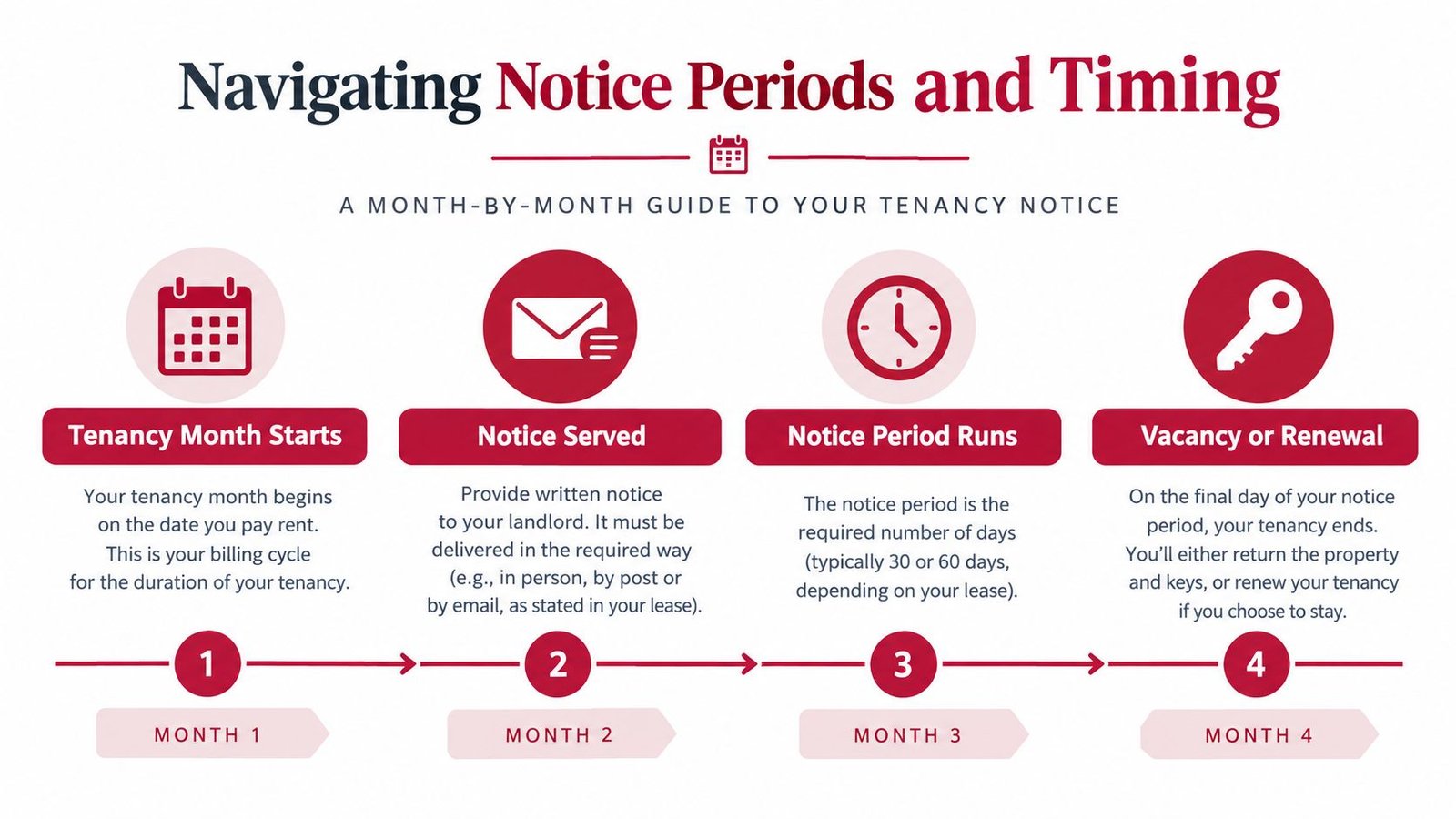
Clear paperwork will not prevent every dispute. It does give a Calgary landlord stronger evidence, fewer avoidable misunderstandings, and a cleaner file if possession, repairs, or payment records are later challenged.
Navigating Notice Periods and Timing
Timing drives many of the expensive mistakes in a month-to-month tenancy. Alberta ties notice to the tenancy month, which usually runs from the first day through the last day of the calendar month. The service date therefore controls the result. Notice served after the first day may miss the current tenancy month and push the termination date out by another full month.
Why the tenancy month beats a simple day count
A common error is counting backwards from 30 days and treating that as sufficient. Alberta's notice framework does not work that way. The notice must align with the tenancy month, and a tenant generally must serve notice on or before the first day of that month for the tenancy to end at month-end. The requirements are set out in the RTA handbook for Alberta landlords.
The province's example shows how quickly a close-looking date becomes a costly mistake. If a tenant gives notice on June 2 to end the tenancy on June 30, the tenancy ends on July 31 because the notice missed the cutoff. The tenant remains responsible for the extra period, and the landlord's vacancy plan moves with it.
Practical rule: if notice is not served before the tenancy month starts, assume the current month is lost.
Landlords face a longer requirement. For a monthly periodic tenancy, Alberta requires three full tenancy months' notice from the landlord. That rule determines when possession can be recovered, so a planned sale, renovation, or personal move needs to be scheduled around the statutory window rather than around a preferred date.
Use the calendar, not assumptions
Anchor every calculation to the tenancy month and the actual service date. A well-managed file should contain:
- Start date of the tenancy month: Confirm whether the cycle runs from the first through the last day of the calendar month.
- Date of service: Record the exact date the notice was served. A late date can change the termination date.
- Effective termination date: Calculate the end of the correct tenancy month, not the earliest vacancy the owner wants.
- Proof of delivery: Keep evidence showing how and when the notice reached the tenant.
A notice that misses the required timing by one day can extend the tenancy by a full month. The service method and date stamp deserve the same attention as the wording.
For Calgary landlords, this affects listing plans, repairs, and personal use of the unit. A lease ends when the statutory requirements are met, not when the owner or tenant expects it to end.
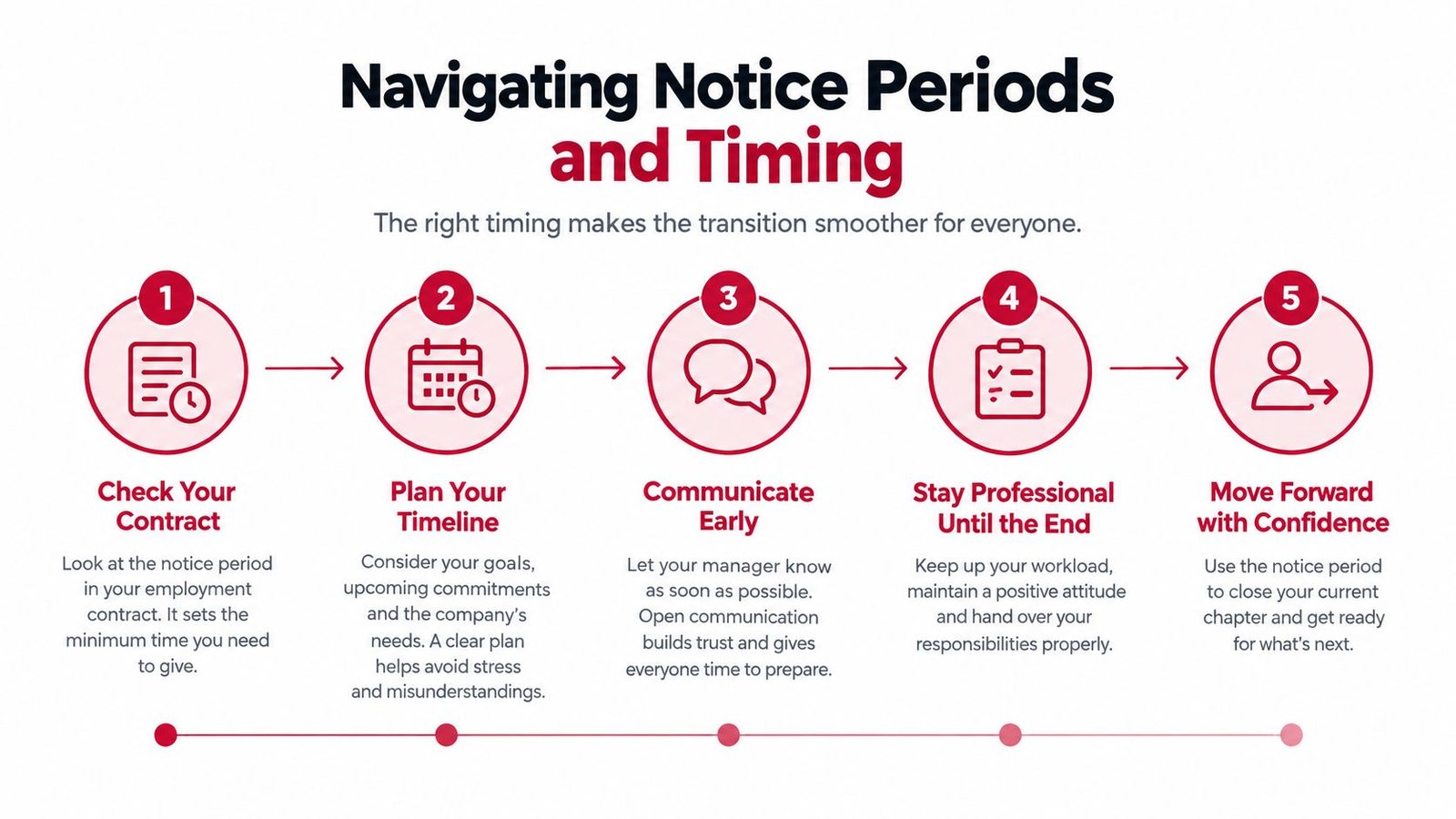
Build a notice calendar into every tenancy file. Record the tenancy start cycle, calculate the permitted end date, and preserve delivery evidence before making vacancy commitments.
Handling Rent Increases Correctly
A Calgary landlord may want to raise rent when a fixed-term lease rolls into month-to-month tenancy. That rollover does not create a free opportunity to reset the amount. Alberta permits a rent increase once every 12 months, and a periodic tenant must receive three full months' notice before the new amount takes effect. There is no legal cap on the increase, but an aggressive amount can still create vacancy risk and a dispute if the process is mishandled.
Serve the increase correctly
The notice must be in writing and include the effective date, the landlord's signature, and the date signed. Serve it on every tenant named on the agreement. Posting it on a shared bulletin board or announcing the change verbally does not complete service.
Keep the notice with the tenancy record, along with the delivery evidence and the rent history. If a tenant challenges the increase, the file should show what amount applied before the change, when the last increase took effect, and how the new notice was delivered.
Check these points before sending it:
- Has 12 months passed? Another increase cannot take effect until at least one year has passed since the previous increase or the tenancy start, whichever is later.
- Was the notice written and signed? The effective date and signature must appear on the document.
- Was it served to each tenant properly? Give the notice directly to each tenant through an accepted delivery method. A common-area posting is not enough.
Match the increase to the tenancy calendar
A tenancy month is the cycle established by the agreement. It may follow the calendar month, but the landlord should confirm the actual start and end dates before choosing an effective date. Treating the first day of a calendar month as the automatic adjustment date can create a timing error.
The practical question is whether the increase fits both the 12-month restriction and the required notice period. A late notice can delay the higher rent, while an increase timed without regard to local vacancy conditions can produce turnover, advertising costs, and an empty unit. Review comparable rents, the tenant's payment history, and the cost of replacing a reliable occupant before choosing the amount.
Property managers should record the last increase, the next permitted increase date, the intended effective date, and proof of service in the same file. That simple record prevents a rollover date from being mistaken for permission to increase rent.
Why Professional Compliance Matters
A Calgary landlord can lose possession of a unit because a notice was served on the wrong date, not because the underlying reason was invalid. Month-to-month files expose these errors quickly. The tenancy month may differ from the calendar month, and a landlord's termination notice must fit the strict three-month notice window. A defensible process starts with those dates, then preserves evidence showing how each step was completed.
The Alberta Residential Tenancy Dispute Resolution Service illustrates the practical risk. Approximately 75% of residential tenancy disputes heard by RTDRS involve rental premises in Edmonton or Calgary, about 85% of applications concern possession and/or termination, and the most common dispute category is rent unpaid when due, followed by inadequate notice and lease-term violations. RTDRS applications have also grown by an average of 11% annually since 2020-21, with 34% more applications in 2023-24 than in 2020-21, according to the tribunal's 2023-24 annual report.
Why disputes keep coming back to notice
Notice disputes usually turn on details that seemed minor when the document was prepared. Was the tenancy month identified correctly? Did the effective date allow the required notice period? Was the notice delivered to every tenant through an accepted method? A common-area posting or an assumption that the next calendar month controls can leave the landlord defending an invalid termination.
Standardized notices and proof of service provide the evidence needed when a tenant challenges the end date, a rent change, or the validity of termination. Keep the file as if it will be reviewed line by line, because that is how many tenancy disputes are decided.
Build a file that can survive a challenge
A workable compliance file contains dated copies of notices, time-stamped service records, the tenancy month at issue, and a record of the last rent increase. For landlord notices, record the date the notice was prepared, the effective date, the delivery method, and any confirmation received. Check the three-month window before service, rather than relying on a recurring calendar reminder.
Owners can review reliable compliance with Reliance Property Accounts resources for a similar principle in another market: documents, deadlines, and records work best when managed as one system rather than as isolated tasks.
For Calgary landlords, professional management is primarily a risk-control function. Dreamhouse Realty Ltd. handles lease drafting, notice workflows, tenant communication, and compliance tracking for Alberta rental properties.
If you need help managing a Calgary month-to-month tenancy, Dreamhouse Realty Ltd. provides lease drafting, notice handling, and compliance oversight based on Alberta tenancy rules.